



The termite notice in your Rouse Hill meter box, and why it was missing
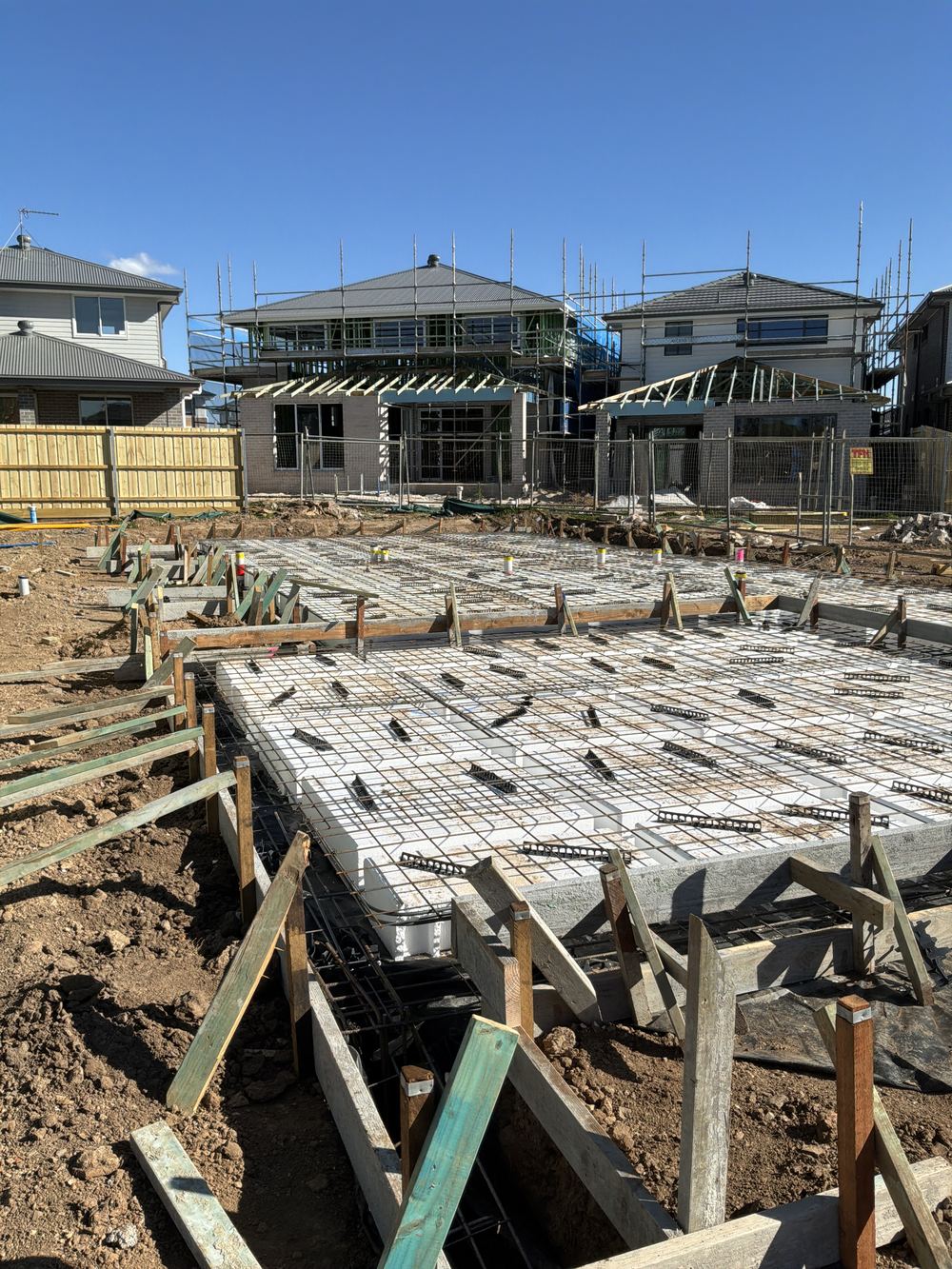
What the durable termite notice records, and why we check for it from slab stage onward.
One visit covering the building to AS 4349.1 and timber pests to AS 4349.3, with each written up separately.
One of our inspectors will call you back. If it is urgent, call 1300 471 805.
The building component follows AS 4349.1 and the timber pest component follows AS 4349.3, both visual inspections of readily accessible areas.
24 checkpoints across 8 areas on a standard Rouse Hill building and pest inspection. Anything locked, covered or unsafe to reach on the day is named in the report so it can be checked later.
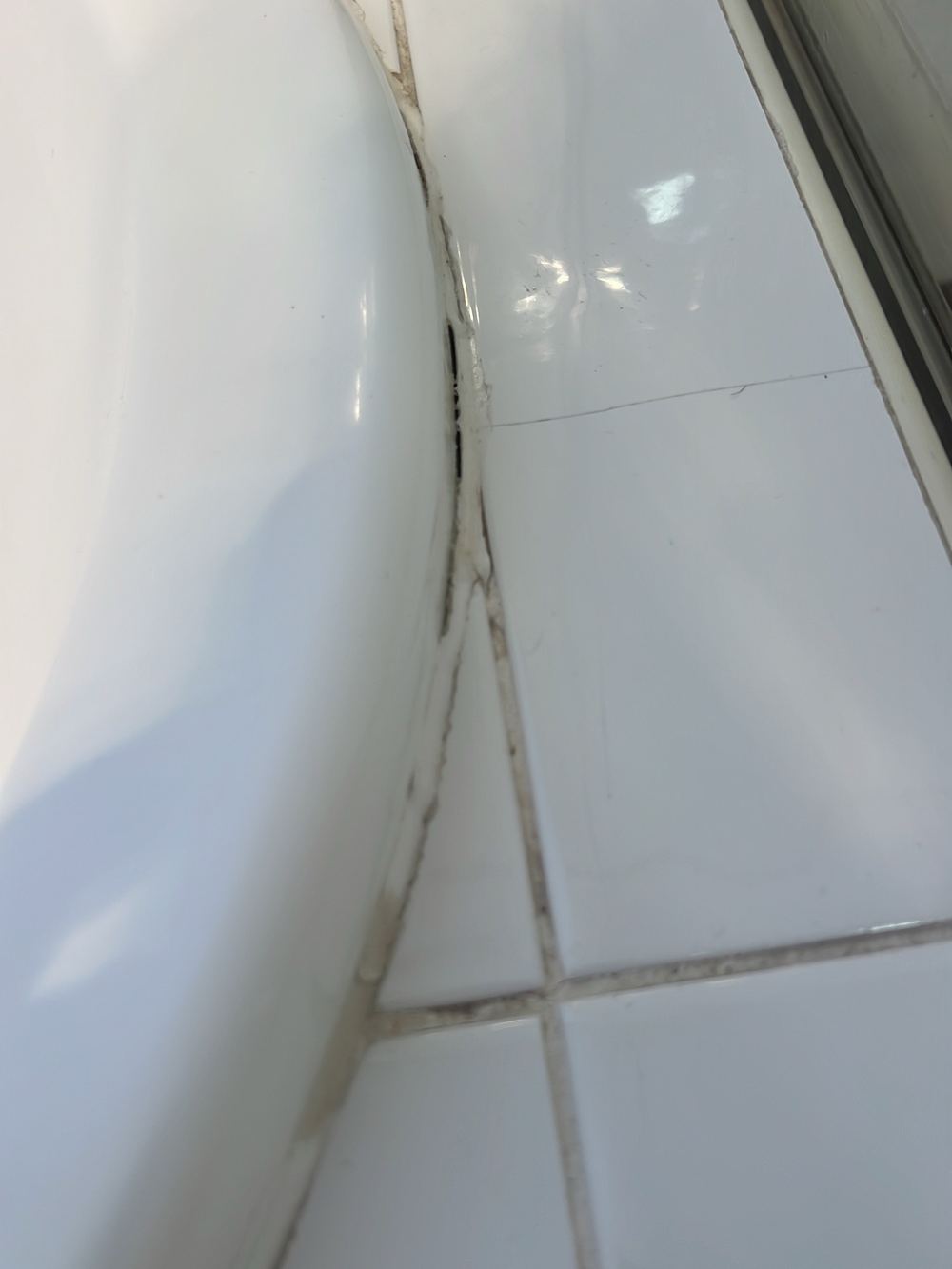
Conditions conducive to timber pests and the gaps they exploit.
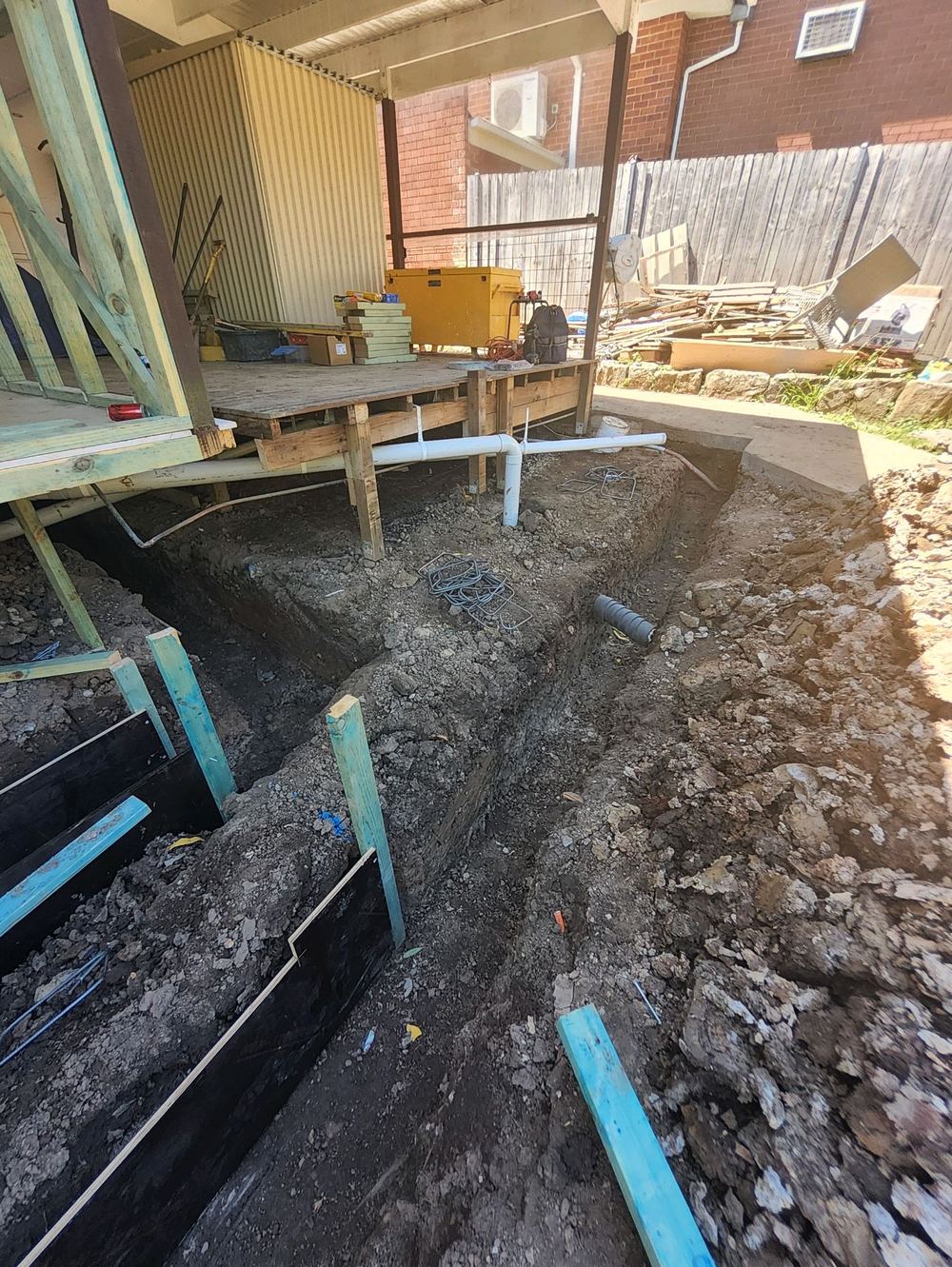
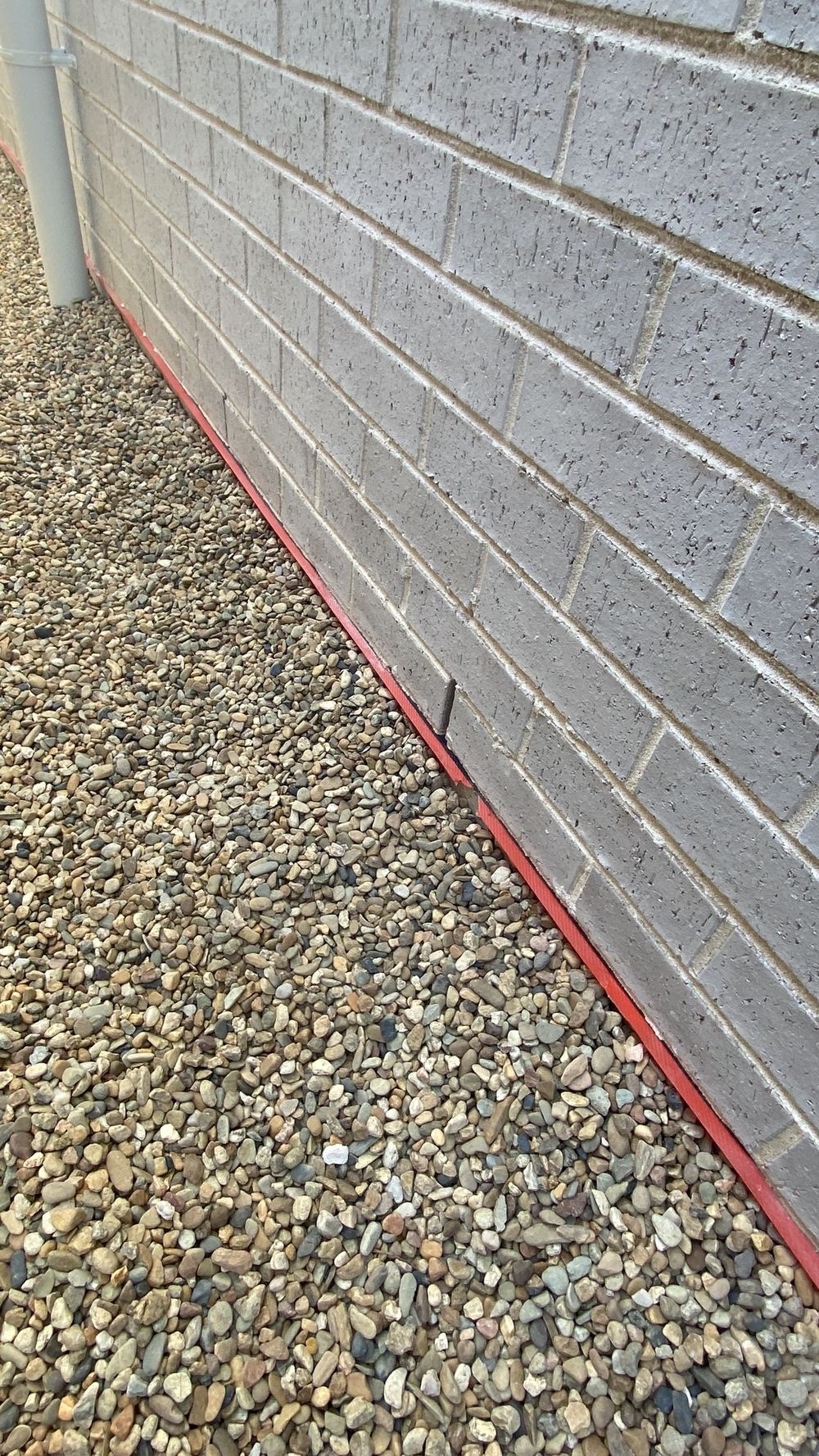

What the durable termite notice records, and why we check for it from slab stage onward.
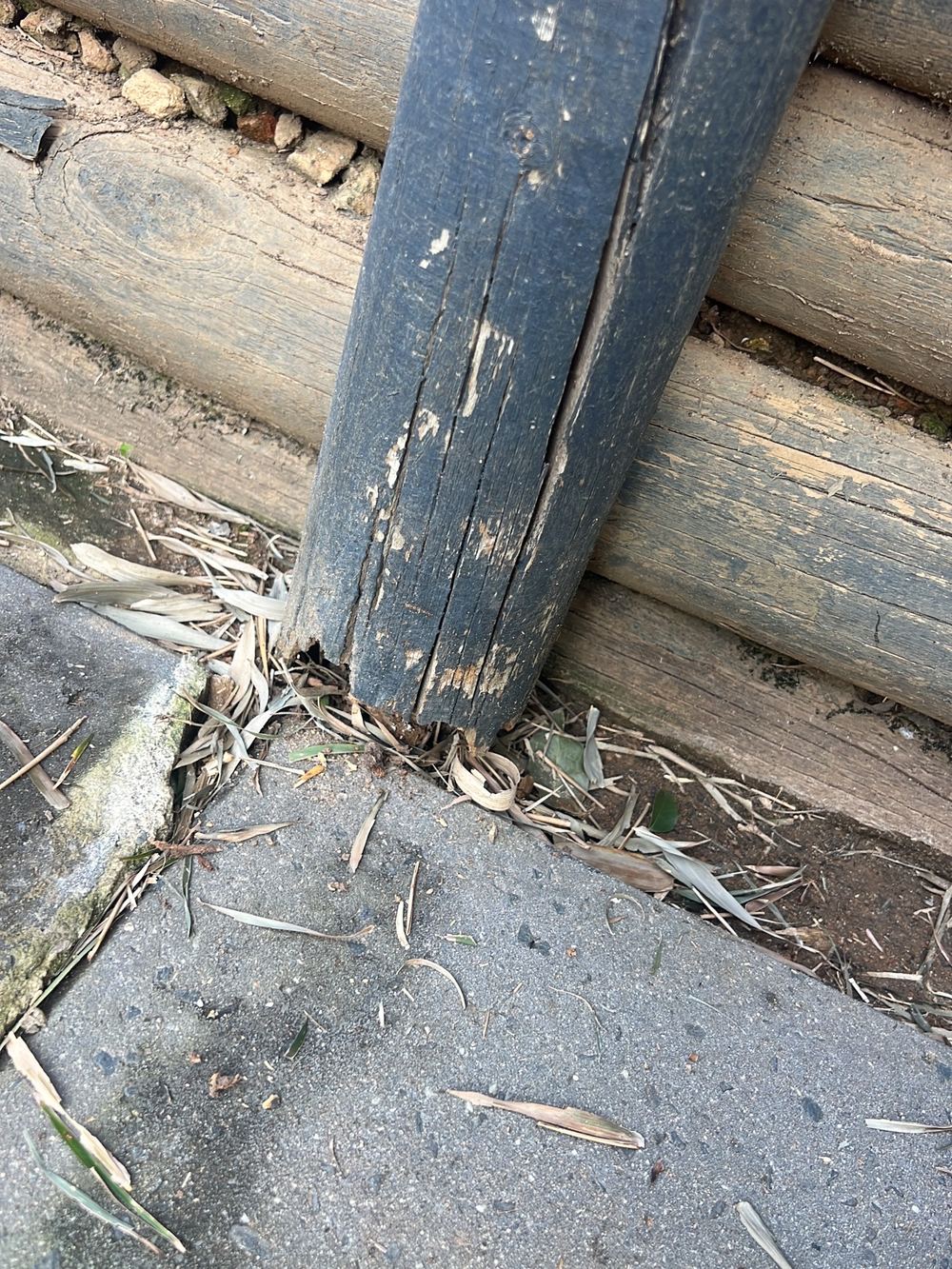
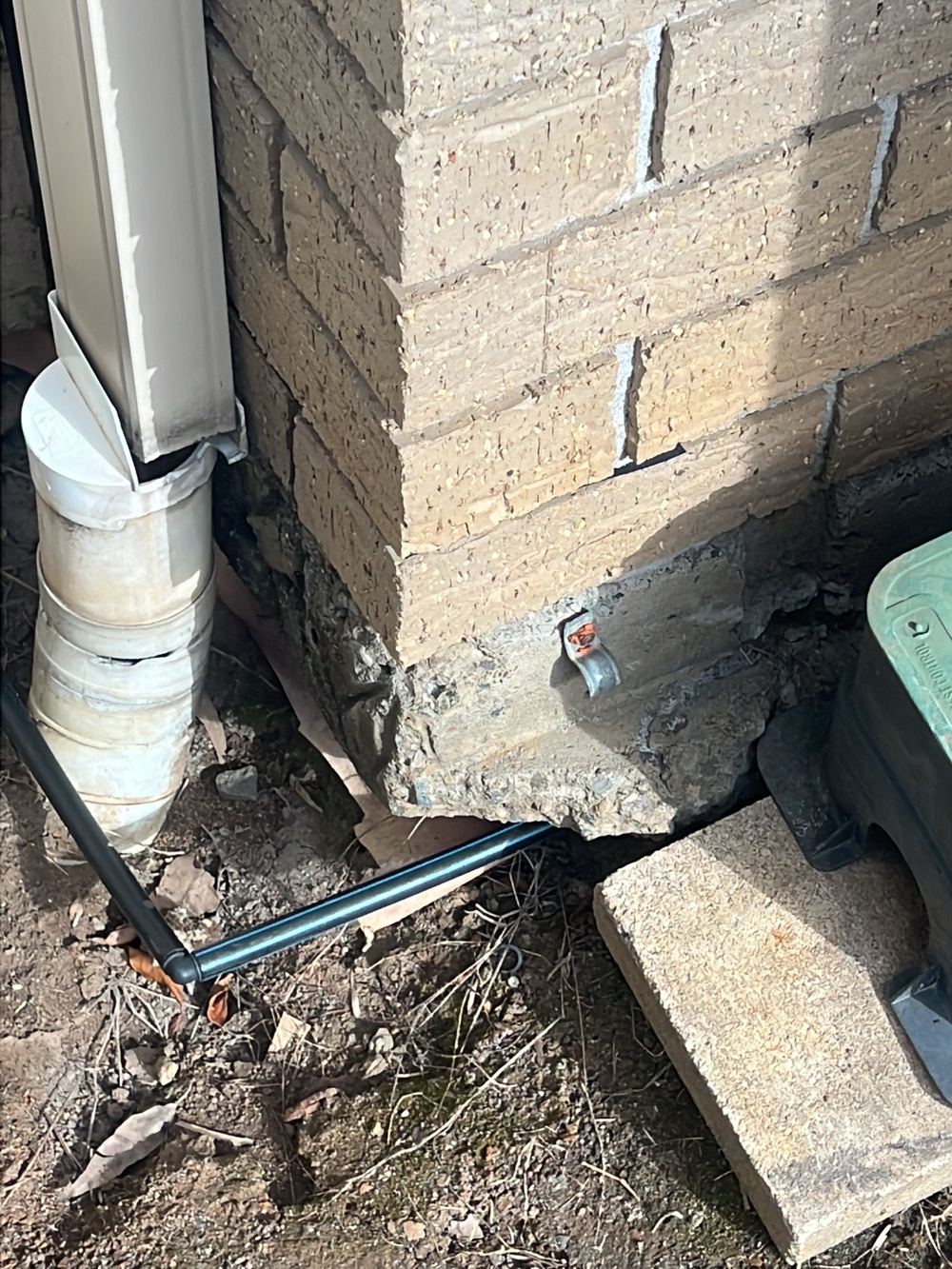
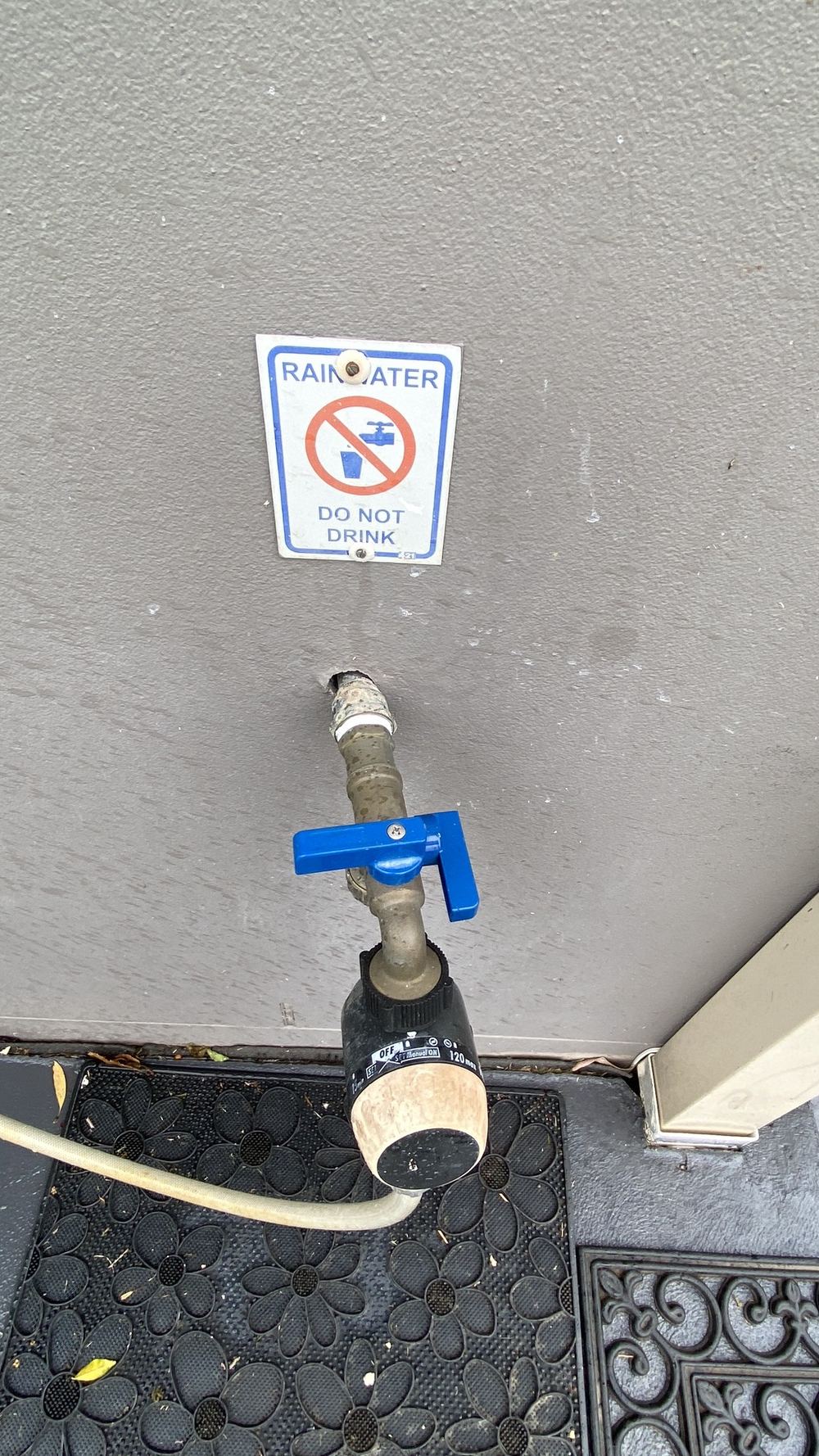
What inactive damage means for a buyer, and why an unconnected reticulation system is a concern.
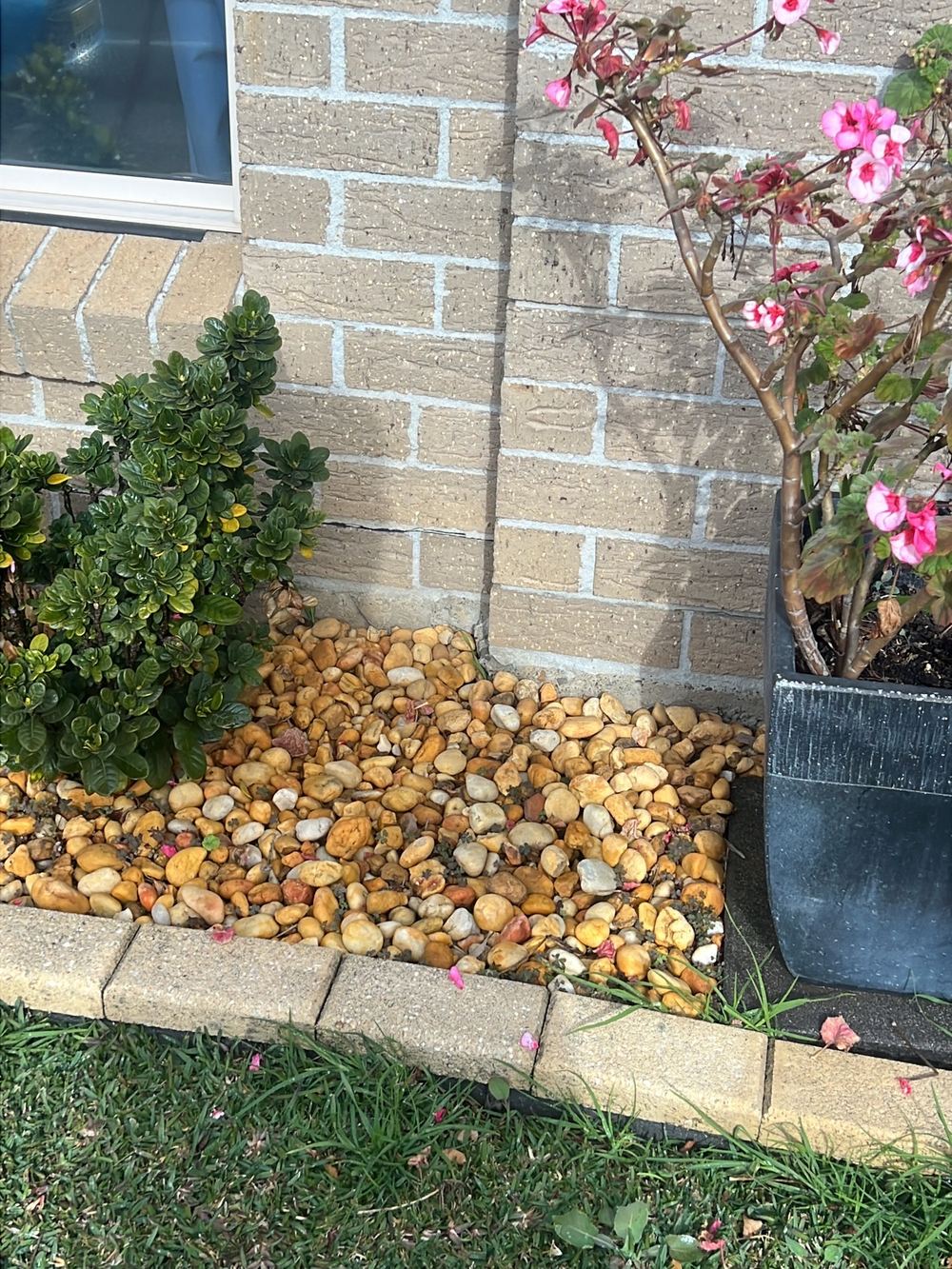
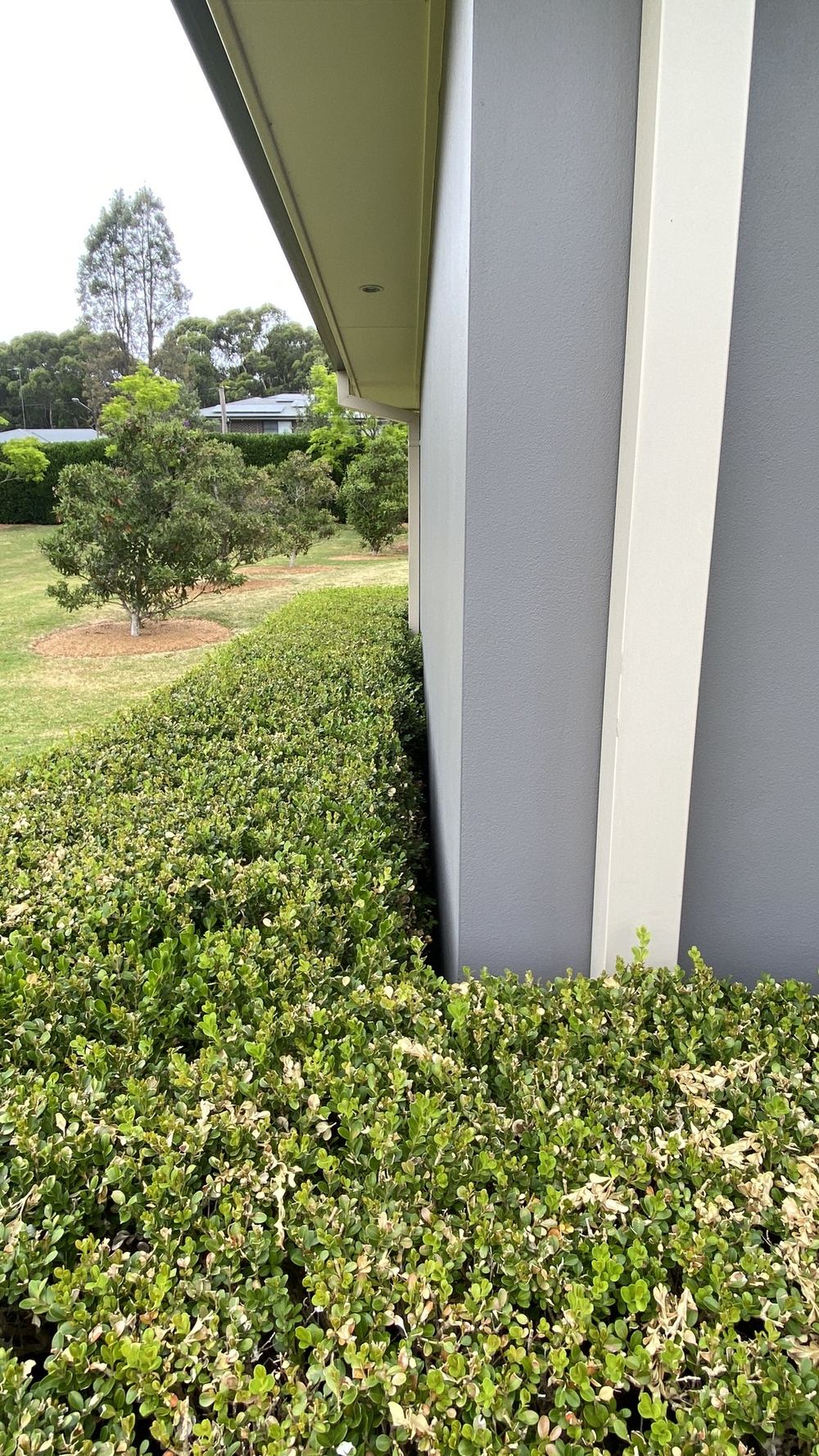
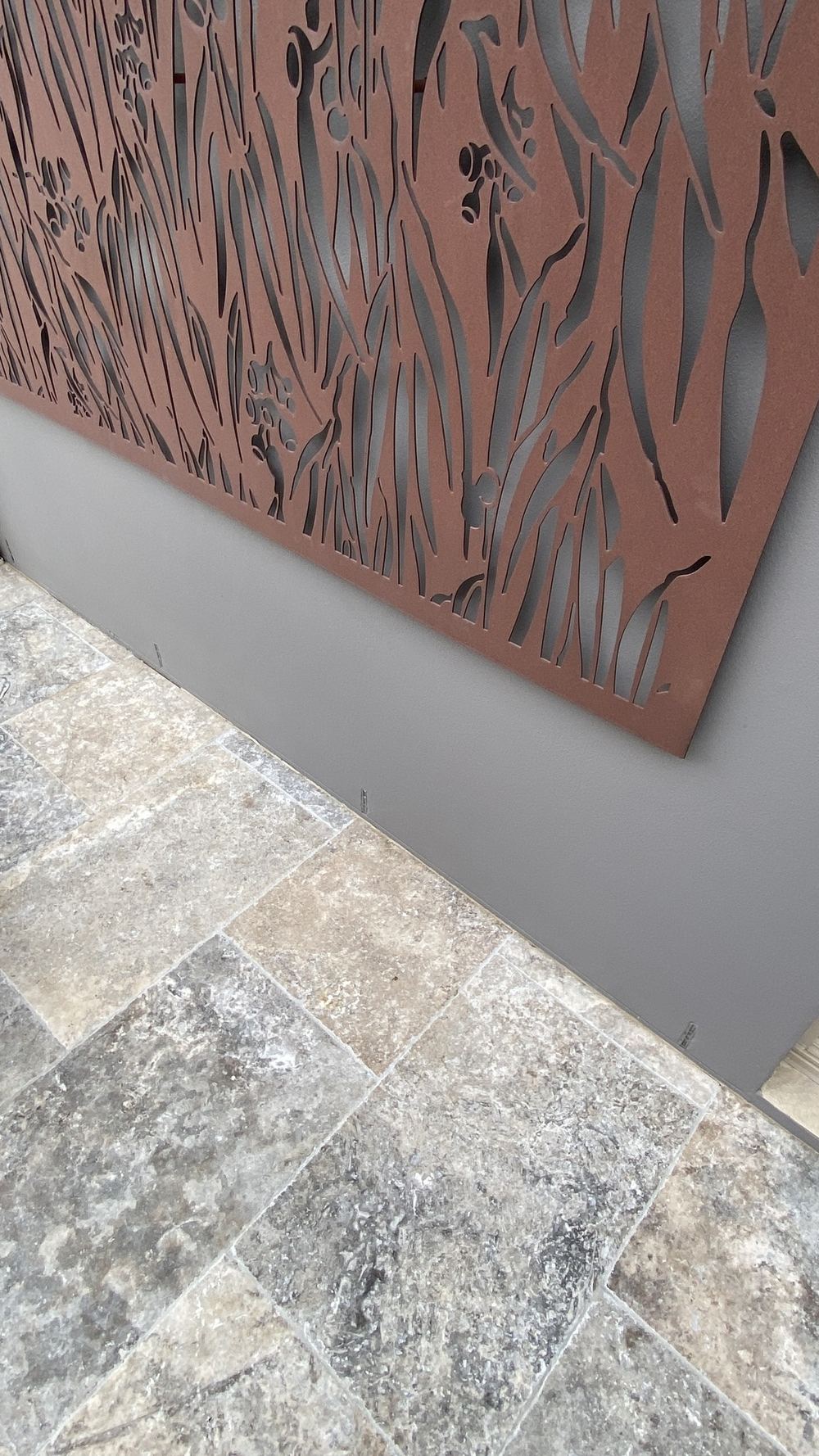
How landscaping bridges termite protection and holds moisture against walls.
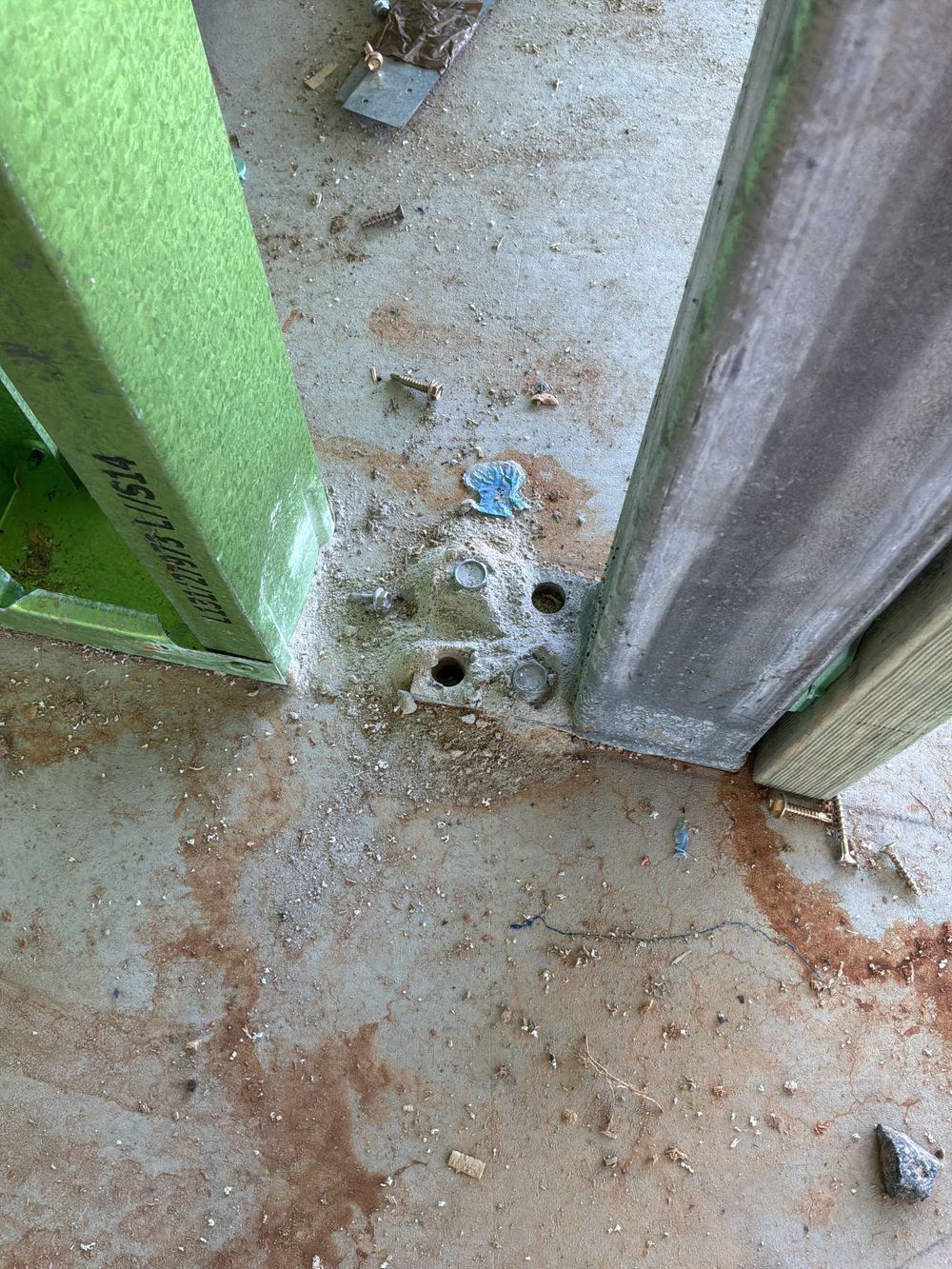 New Construction Stage Inspections Seven visits through a Rouse Hill build, each before the work is covered over.
 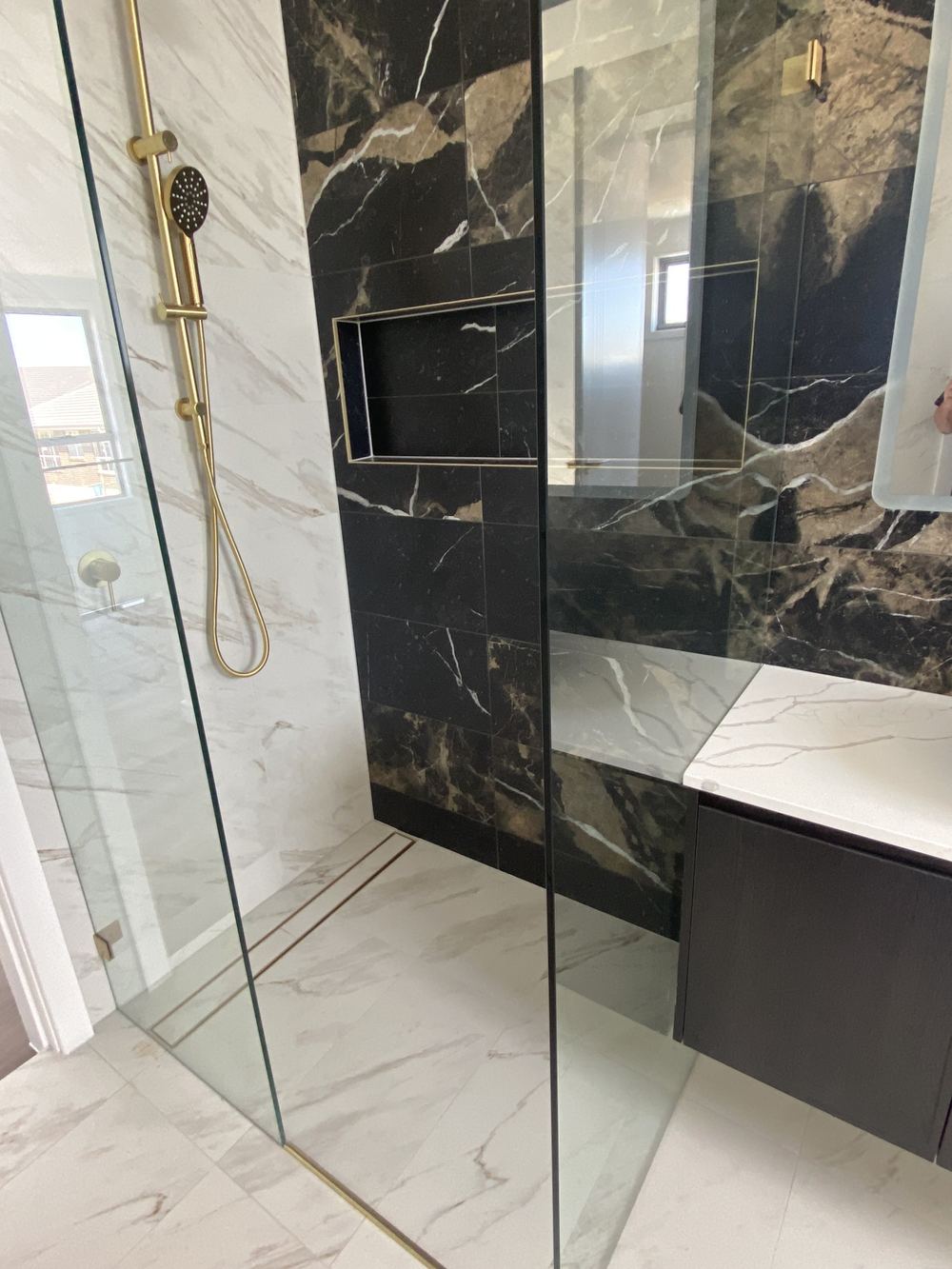 Pre-Handover (PCI) Inspections The last full check of your new home before the keys and the final claim.
 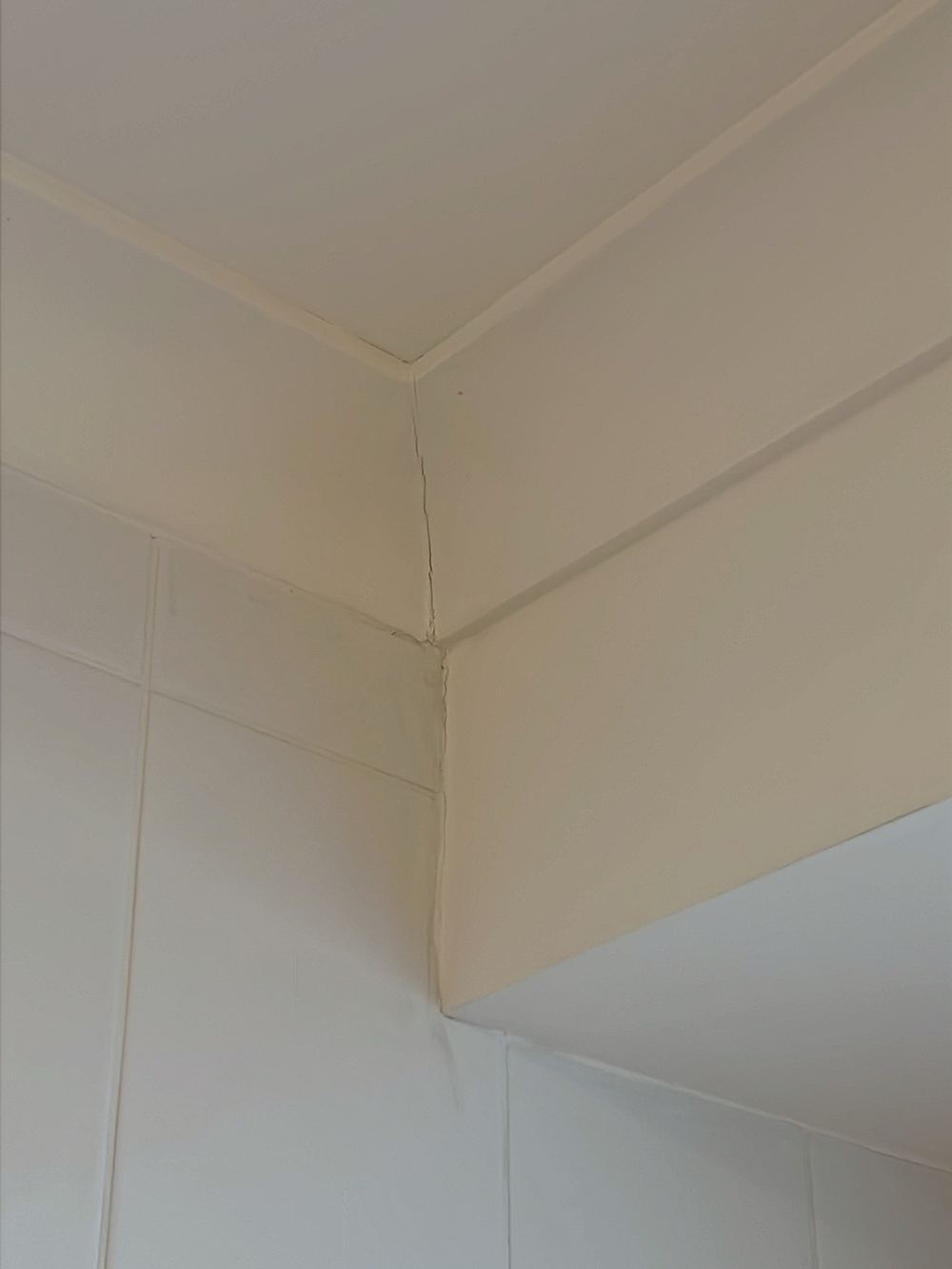 Pre-Purchase Building Inspections An AS 4349.1 check of an established Rouse Hill home before you commit.
 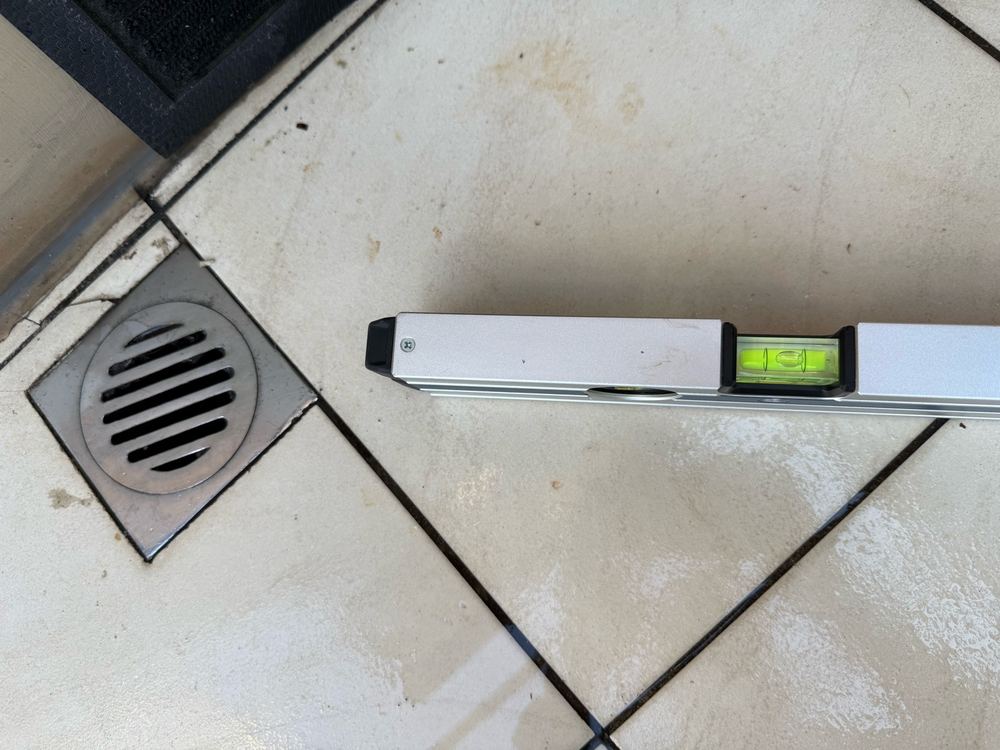 Defect Investigation Reports One problem traced from the symptom back to its likely cause.
 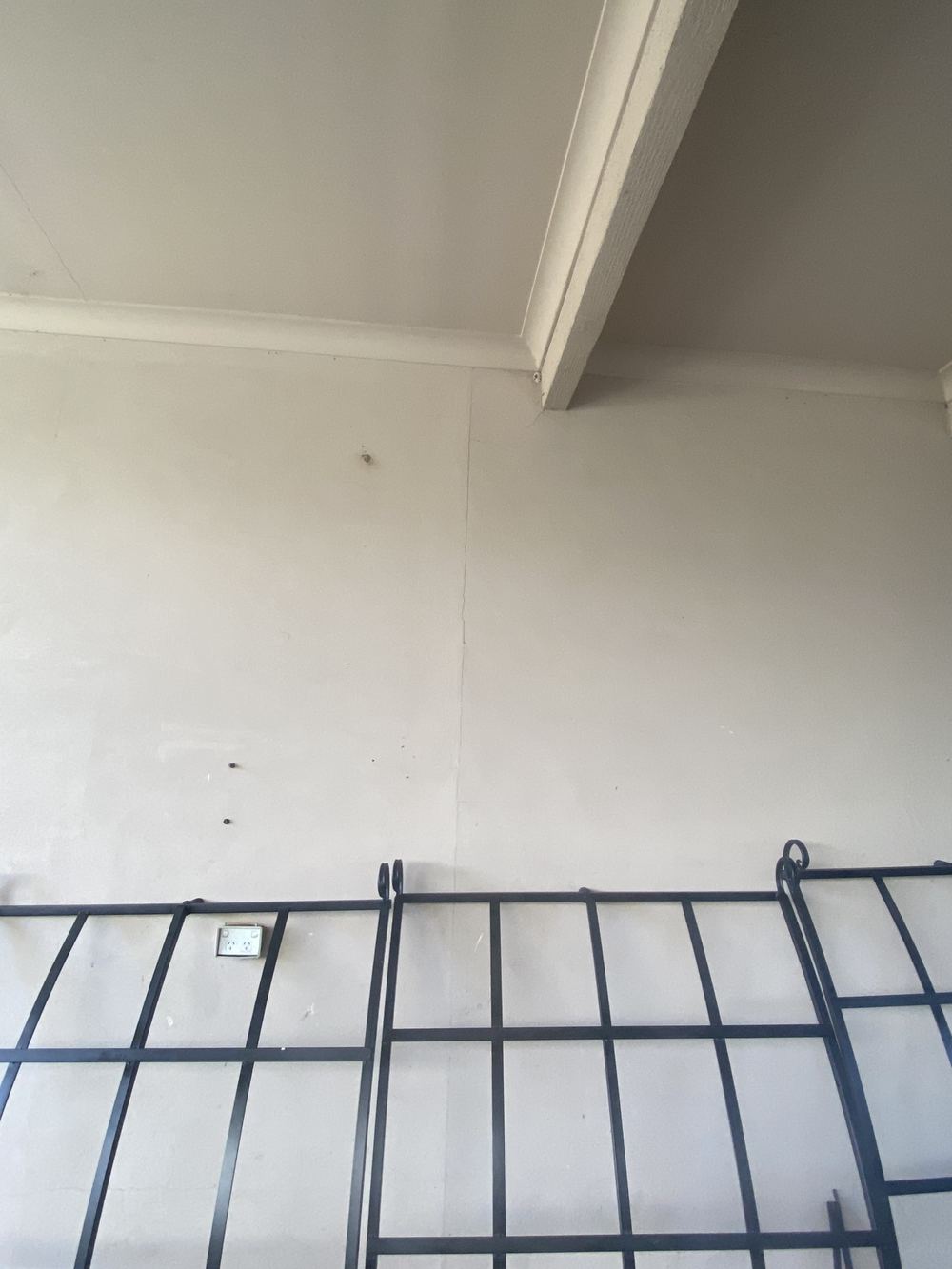 Dilapidation Reports A dated condition record of your home before the excavator arrives next door.
 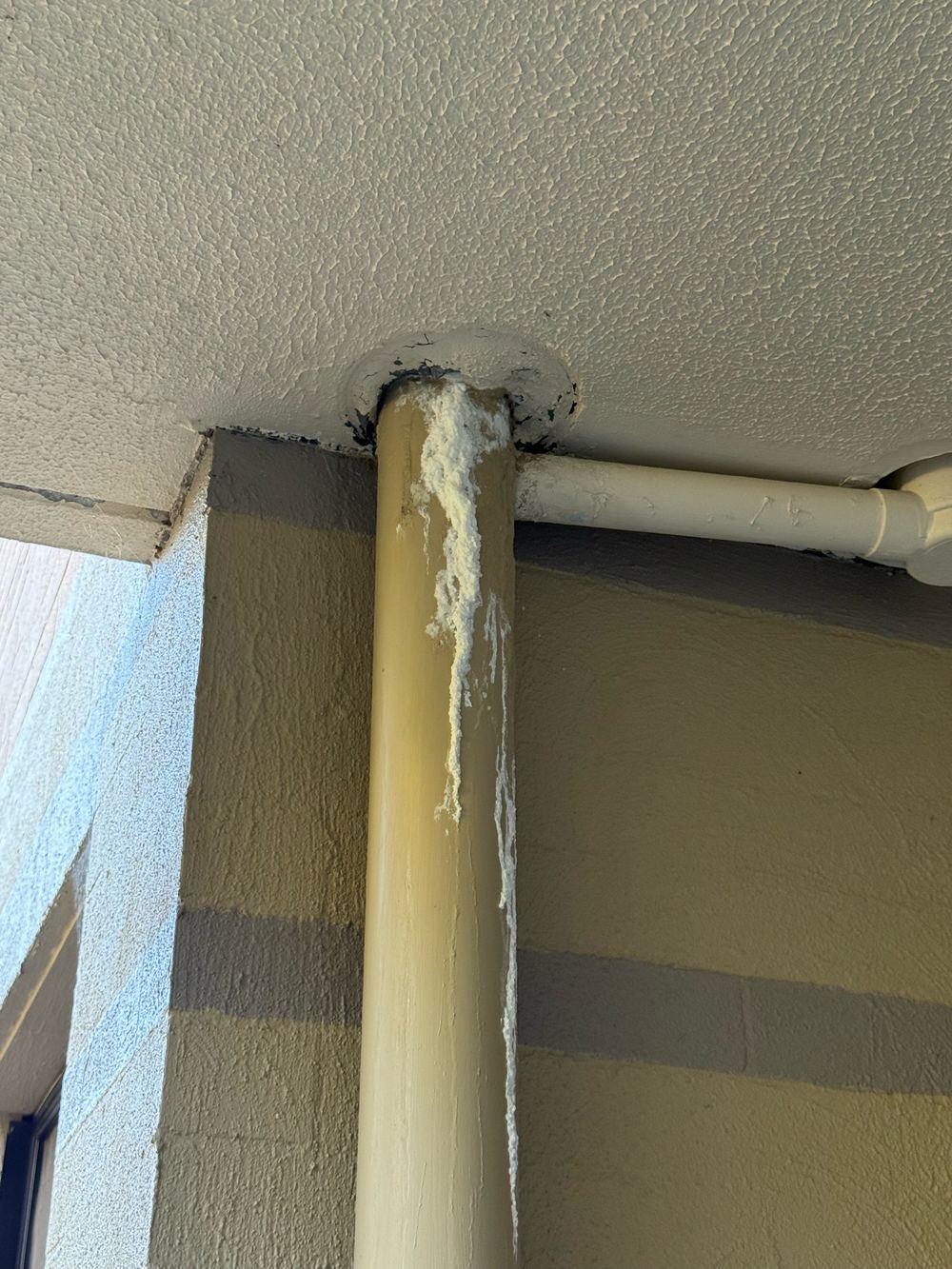 NCAT Expert Witness Reports Evidence written to Procedural Direction 3 for a building claim at NCAT. Pre-Listing Inspections Know what the buyer's inspector will raise before your campaign starts.
  Insurance Claim Assessments Cause and extent of damage set down independently for your insurer.
 Instant online pricing, or talk to the booking team on 1300 471 805.
Yes. Subterranean termites are active across Sydney's north west. A newer home with a working barrier is at lower risk, but only while that barrier is not bridged by soil, paving or garden beds.
It depends on the size of the house and its outbuildings. Request a quote online and you will see the combined figure.
A durable notice, usually in the meter box, that records the termite system installed, when, and what it needs. It tells you what protection the house has and when to recheck it.
No. Our role ends at inspecting and reporting. If activity is found we recommend a licensed pest manager for treatment.
No one can. The inspection is visual and reports what was found on the day in accessible areas. Regular inspections, at least yearly, are what keep the risk managed.
Invasive testing, moving furniture or stored goods, lifting floor coverings, inspecting inside walls, and testing of electrical, gas or plumbing services. Inaccessible areas are listed with a note on the risk they carry.
Because they follow different standards. Separate reports make it clear which findings are about the building and which are about timber pests.