Fully licensed & accredited
-
 NSW Fair Trading
-
 Australian Society of Building Consultants
-
 Strata Community Association
-
 Building Dispute Practitioners Society
A strata inspection in Rouse Hill is for the apartment, townhouse or villa you are buying or already own, and takes in the common property that can be safely seen from it, such as gutters, facades, shared driveways and stormwater pits.
One of our inspectors will call you back. If it is urgent, email [email protected].
Fully licensed & accredited
NSW Fair Trading Australian Society of Building Consultants Strata Community Association Building Dispute Practitioners Society Under AS 4349.1 this is a visual inspection of the readily accessible parts of your lot, with the nearby common property looked at where it is safe to see, and it is not a review of the full scheme.
8 checkpoints across 8 areas on a standard Rouse Hill apartment and strata inspection. Anything locked, covered or unsafe to reach on the day is named in the report so it can be checked later.
Examples from recent inspections around Rouse Hill.
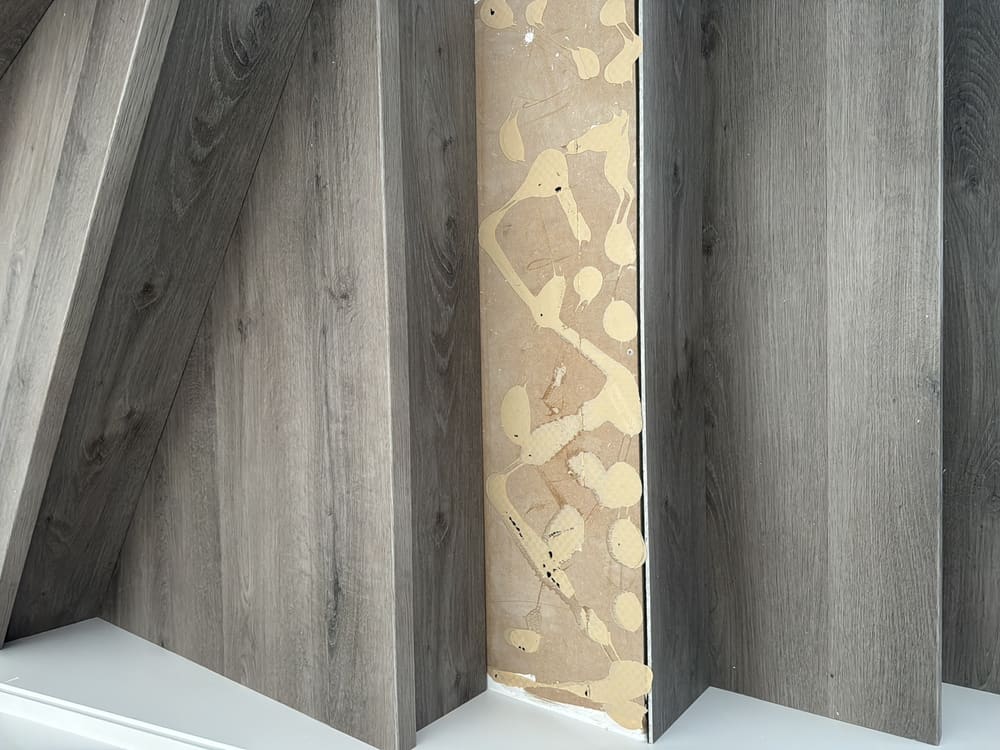
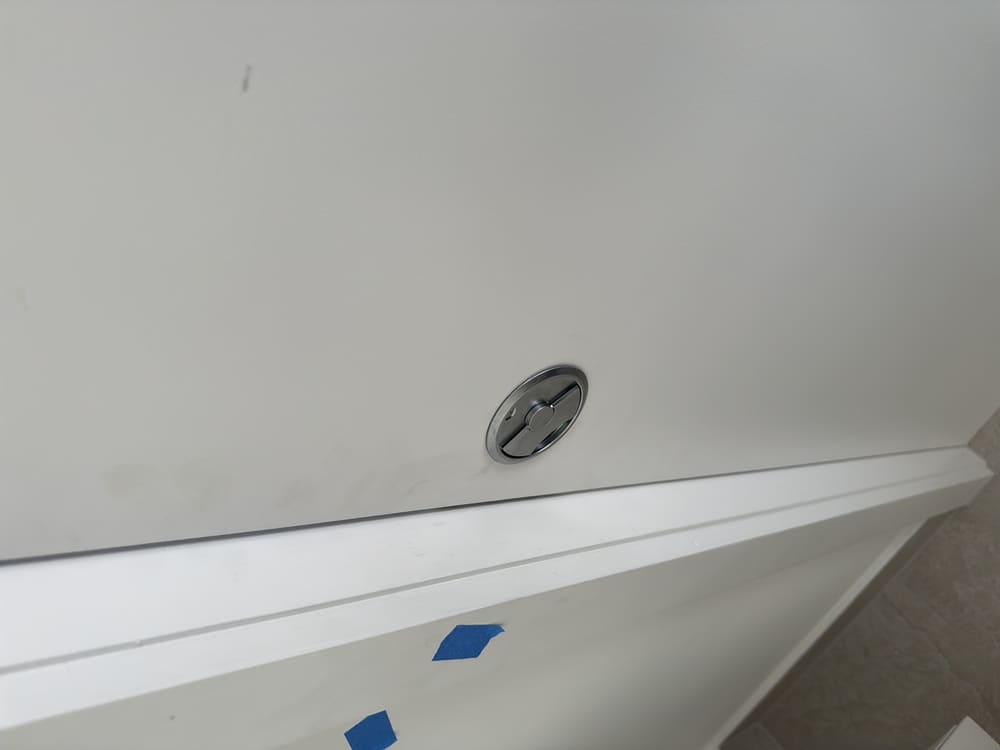
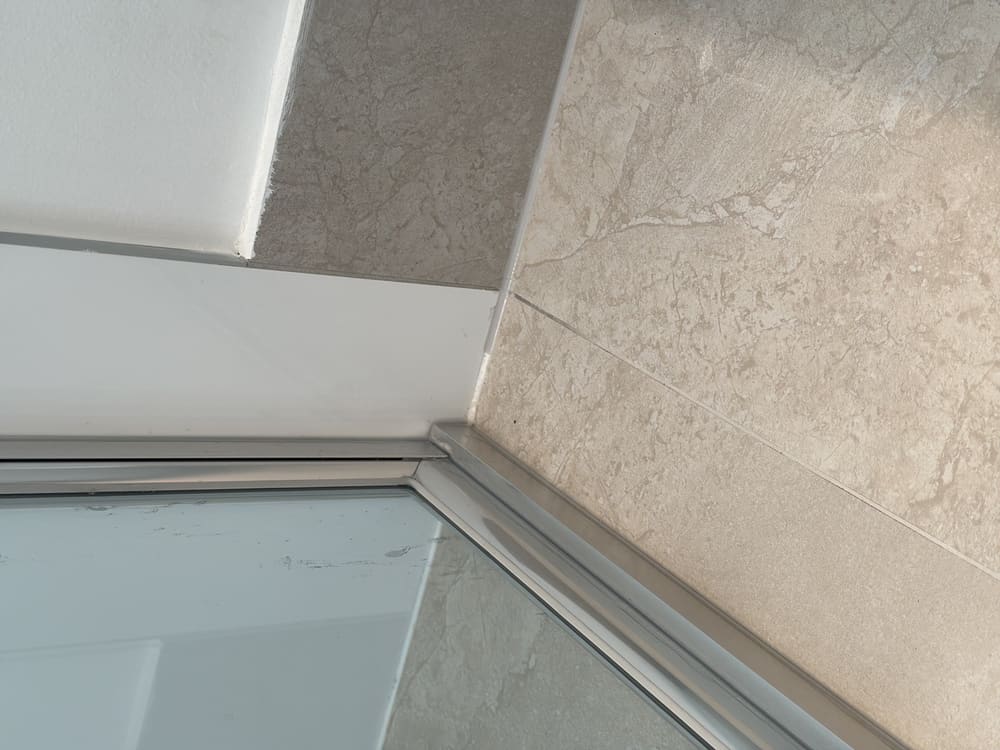
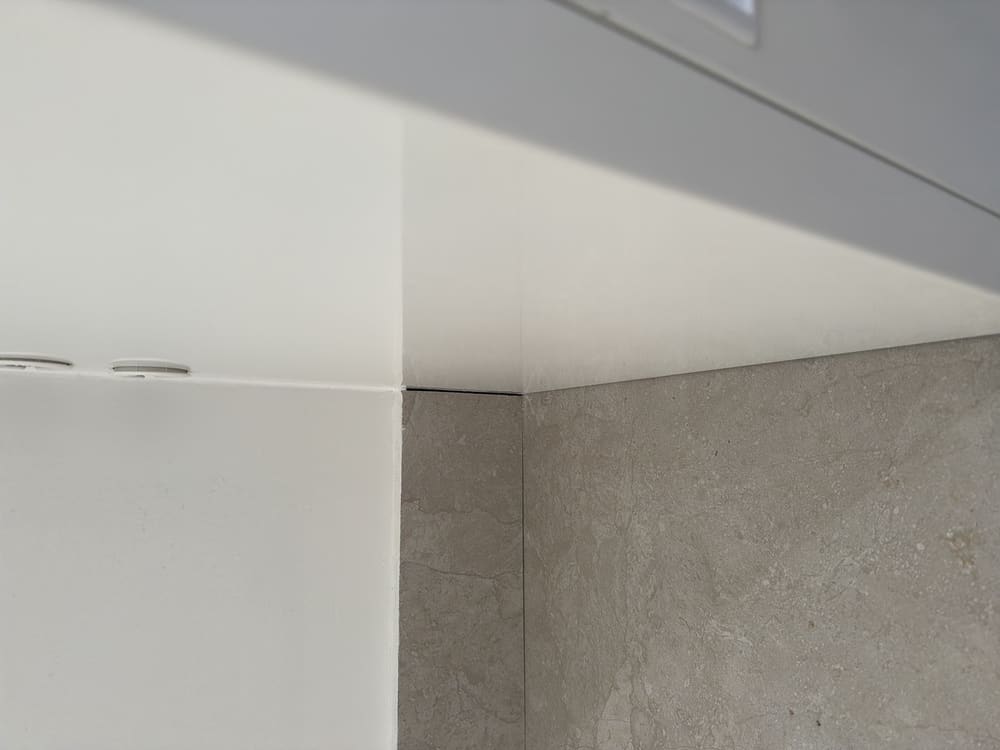
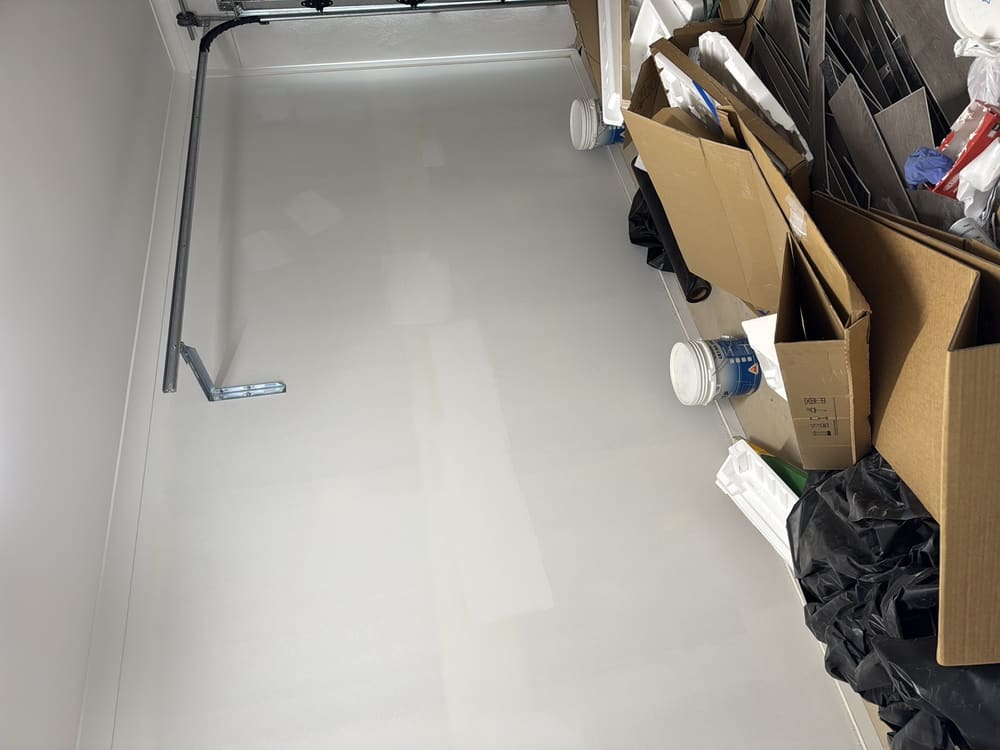
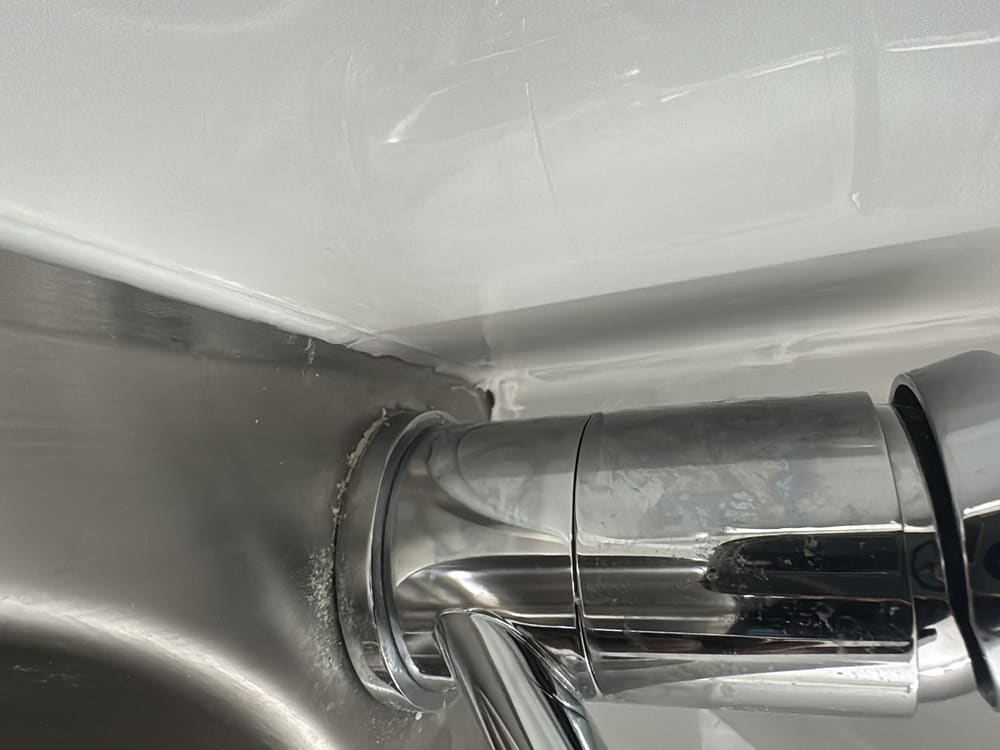
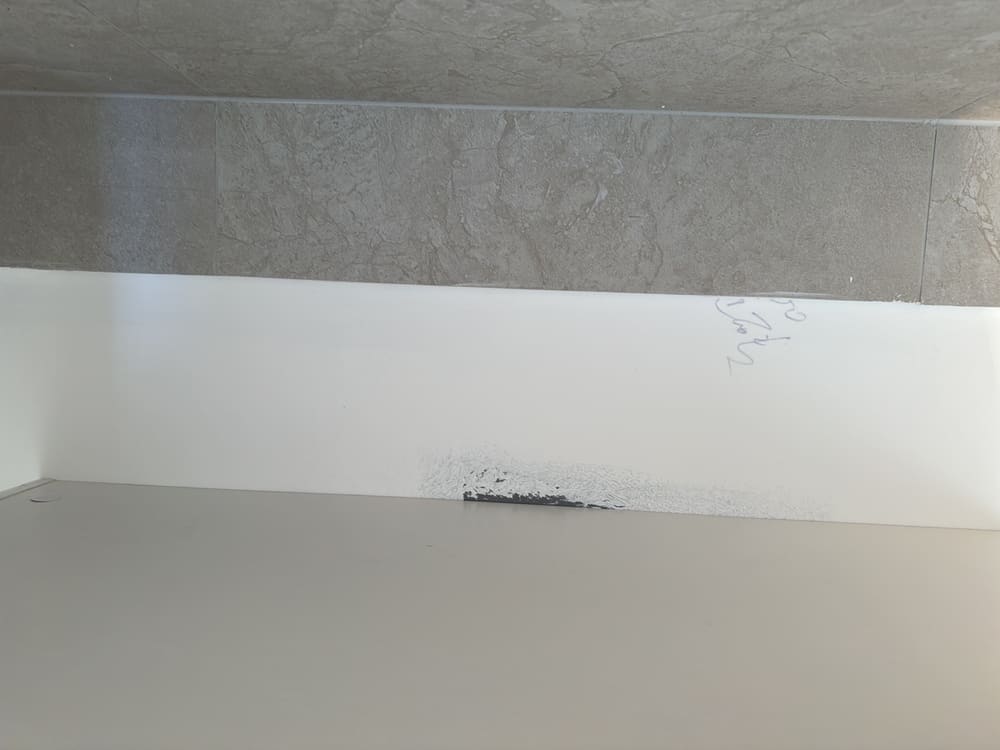
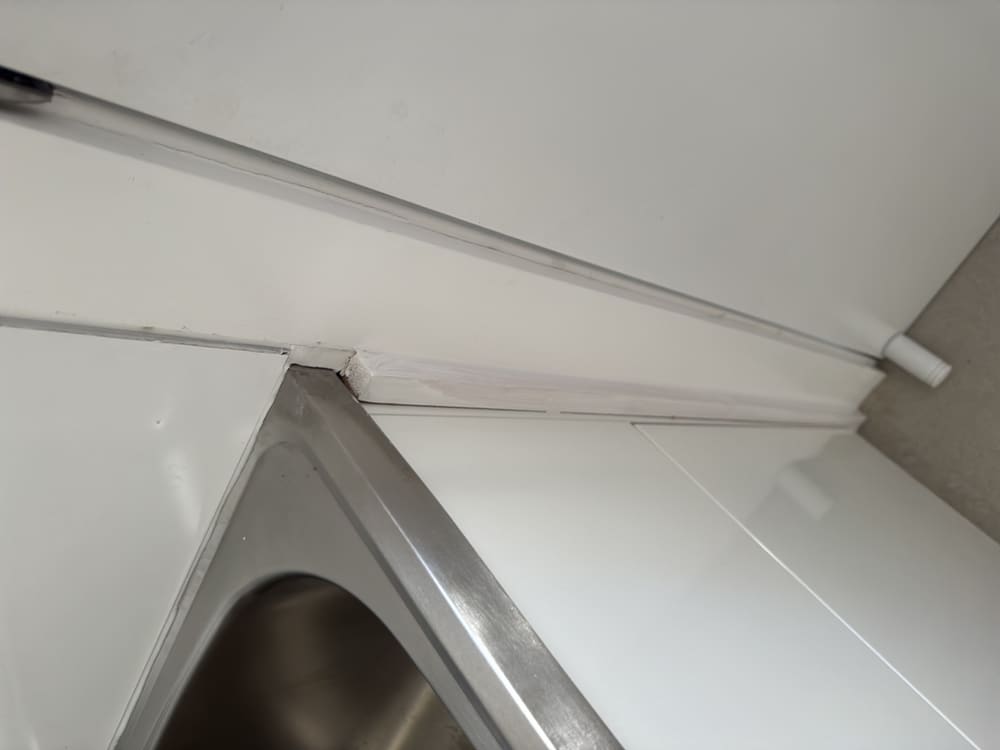
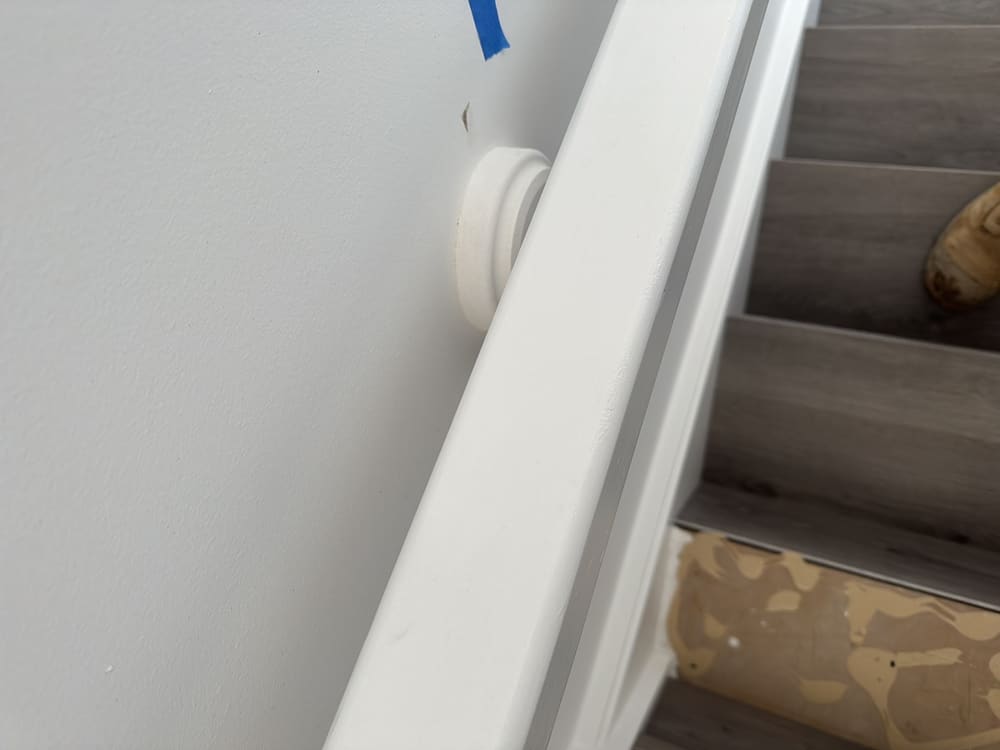
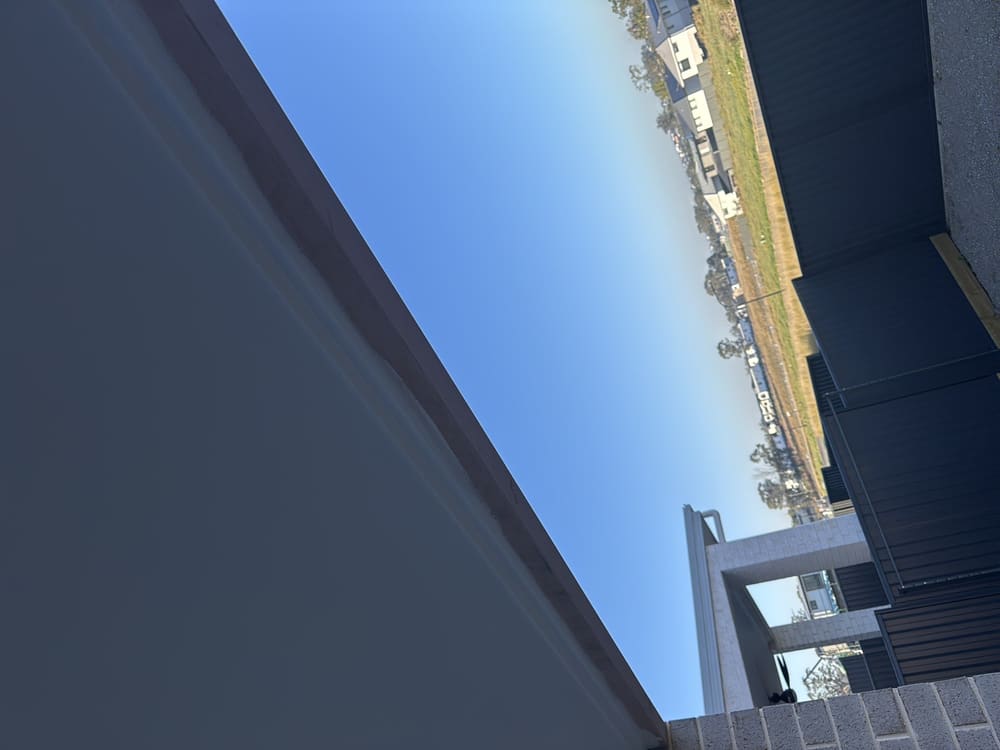
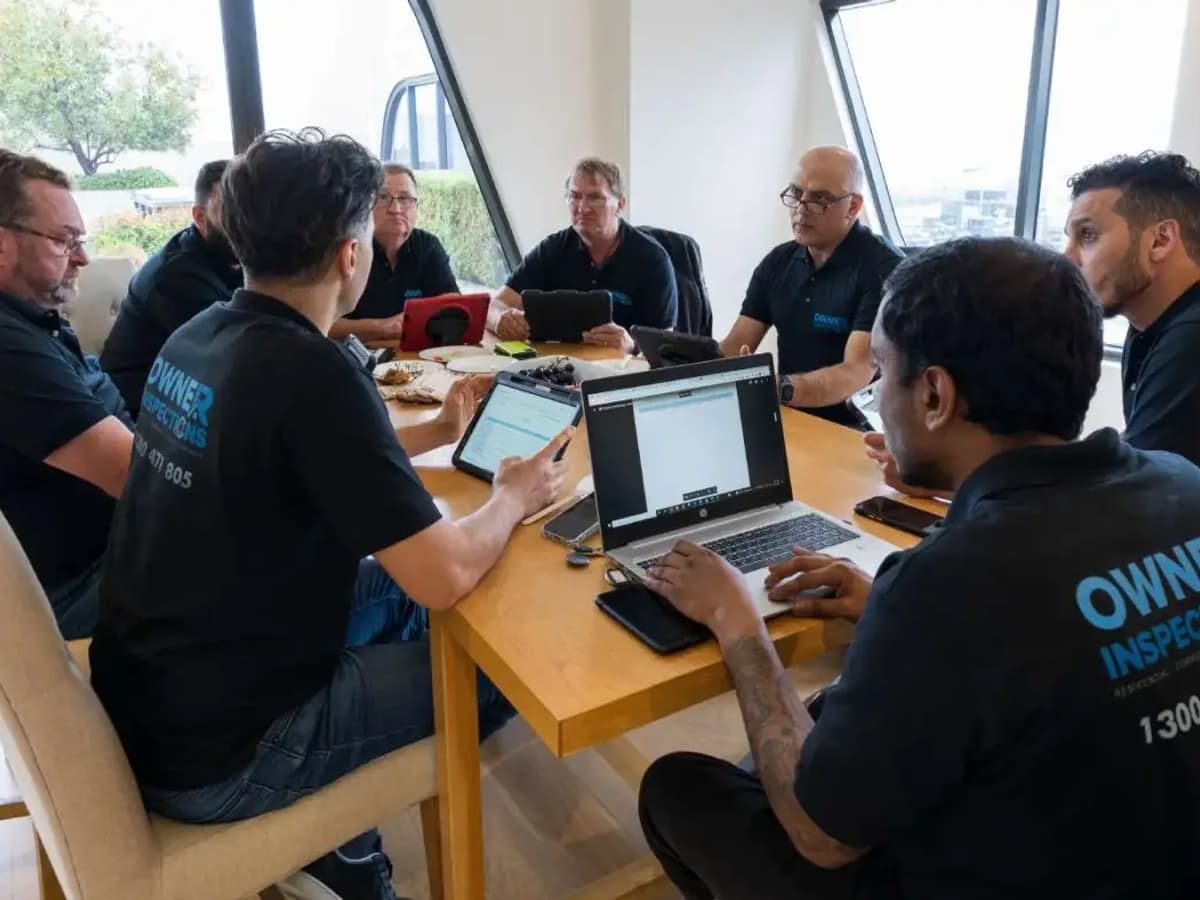
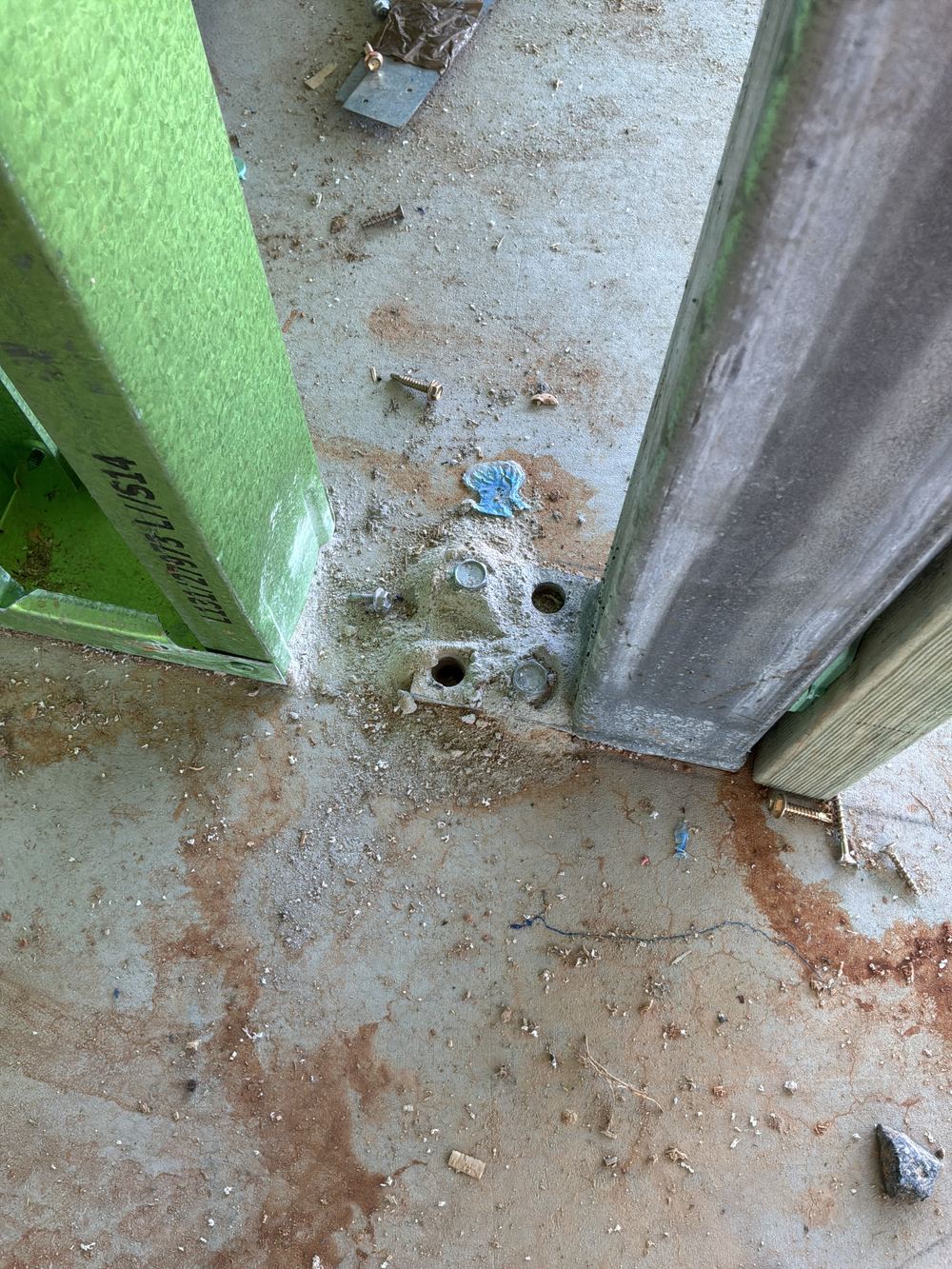 New Construction Stage Inspections Seven visits through a Rouse Hill build, each before the work is covered over.
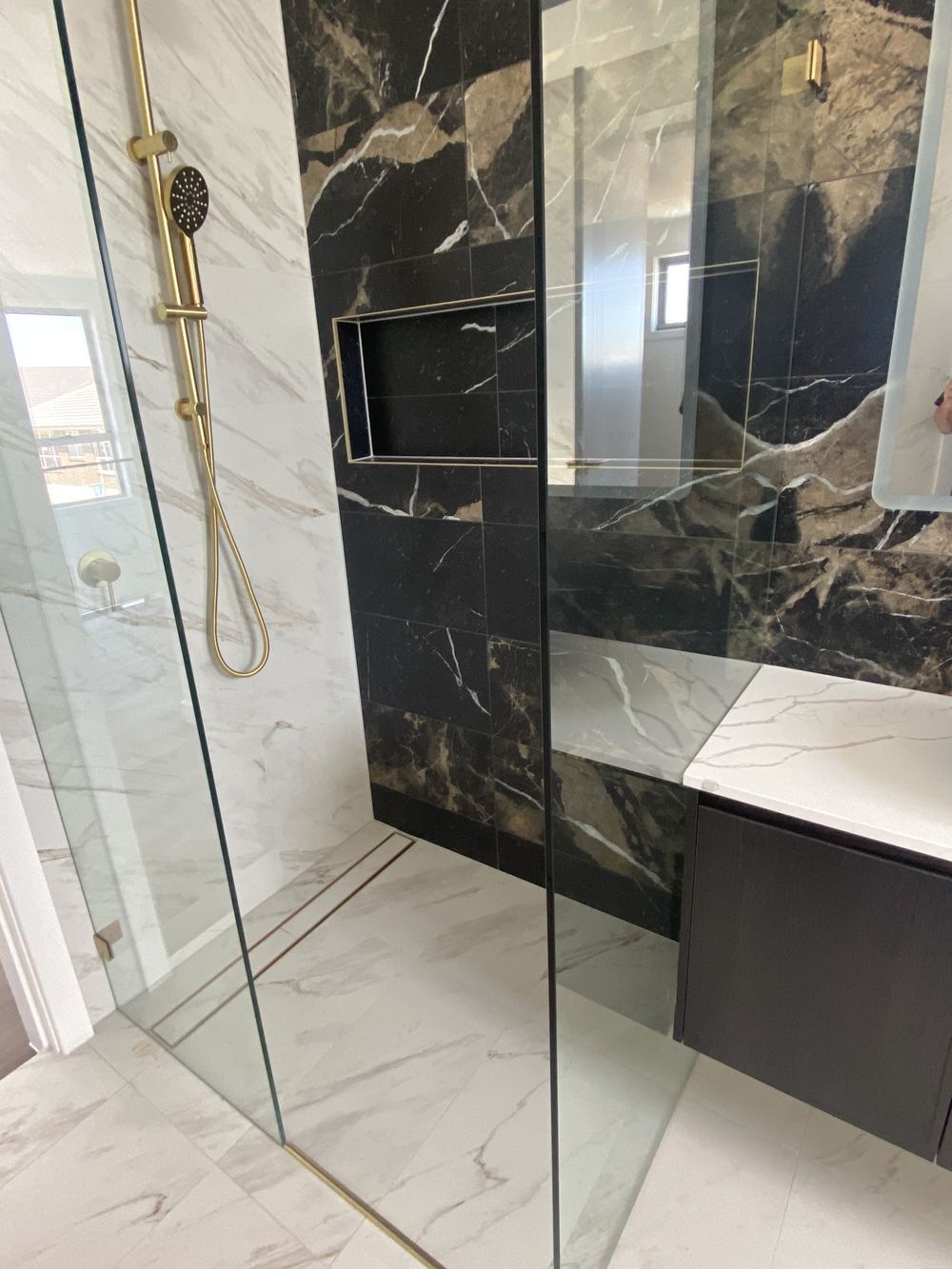 Pre-Handover (PCI) Inspections The last full check of your new home before the keys and the final claim.
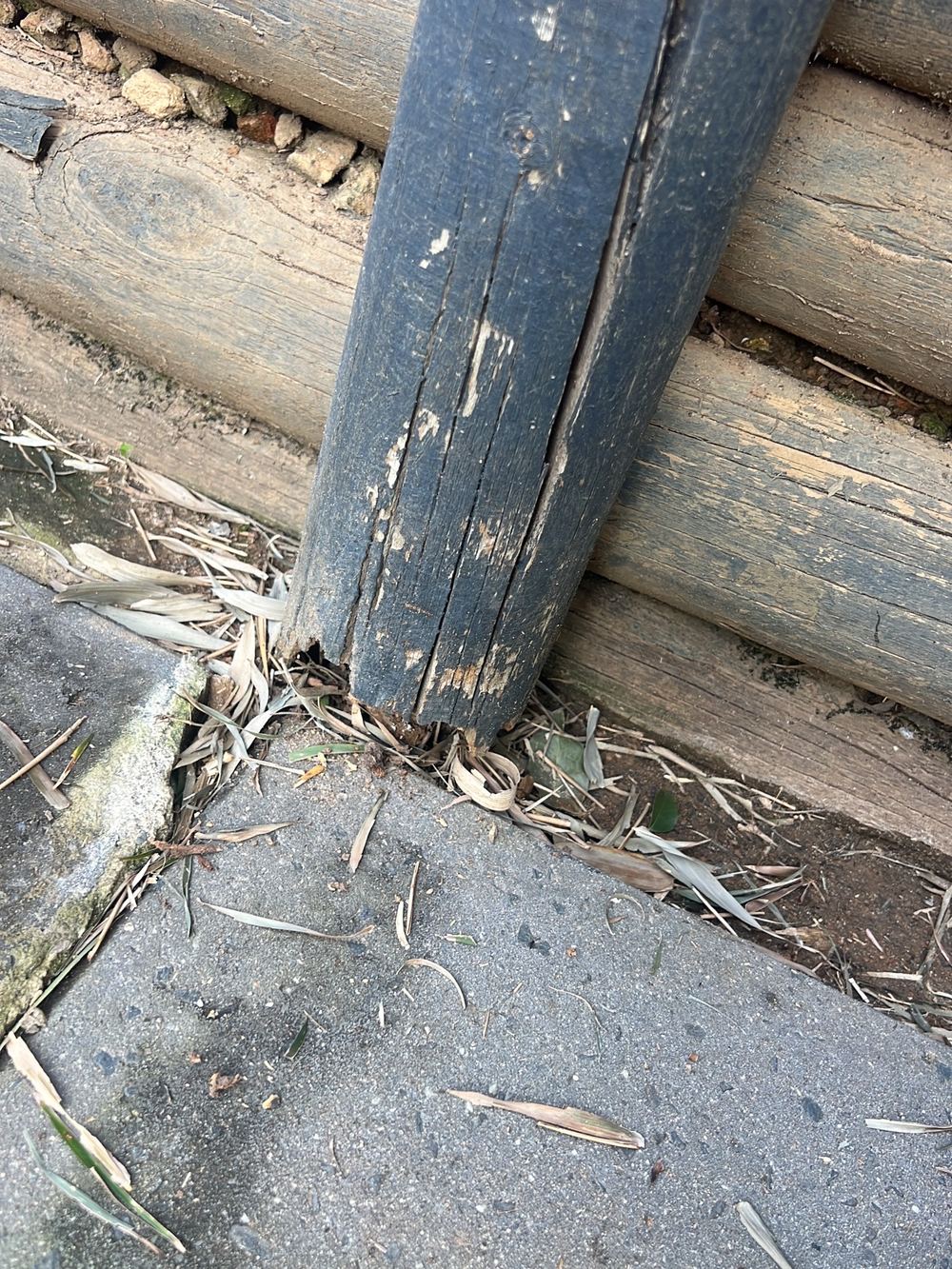 Building and Pest Inspections Building and timber pests in one visit, each with its own report.
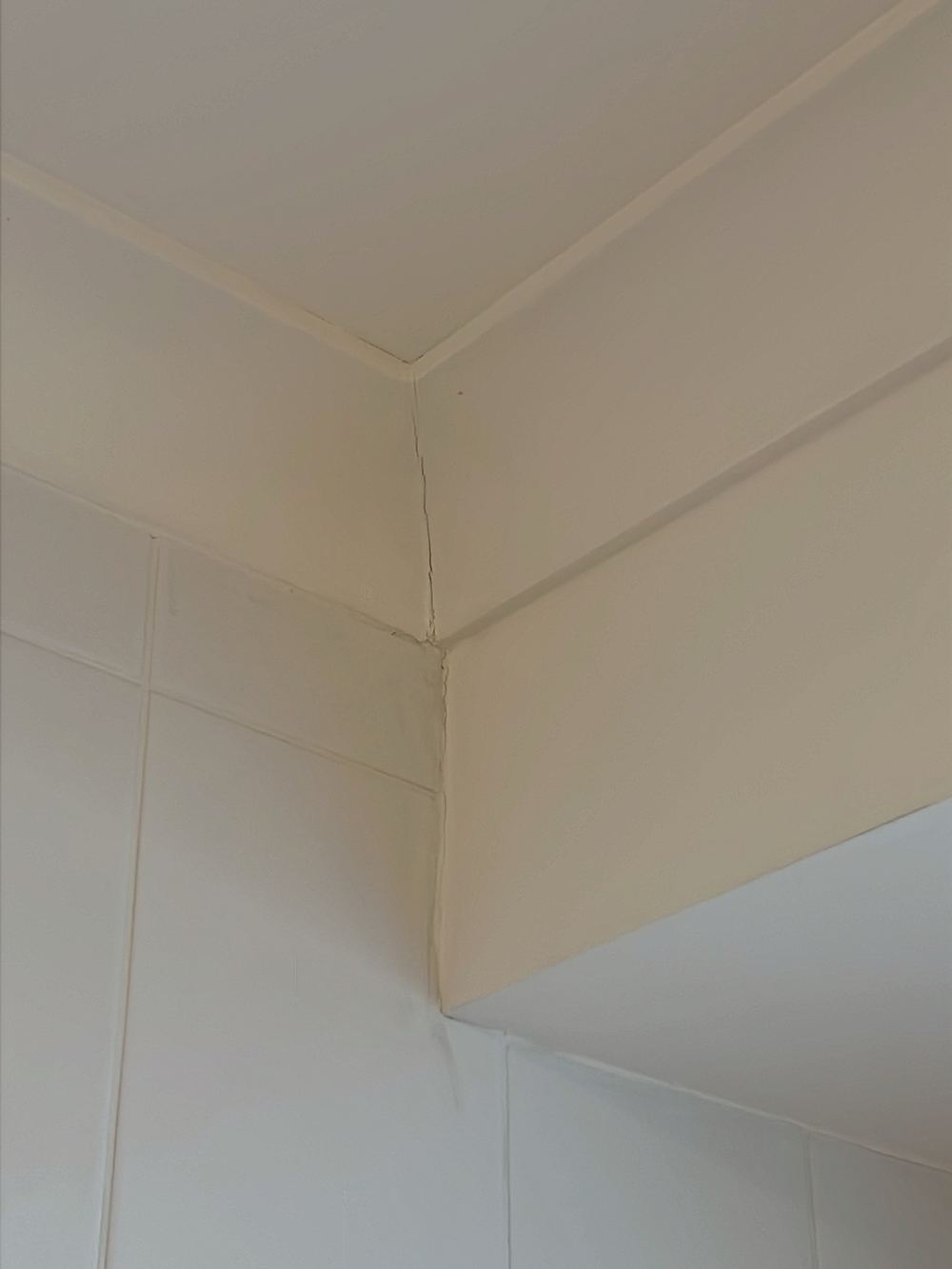 Pre-Purchase Building Inspections An AS 4349.1 check of an established Rouse Hill home before you commit.
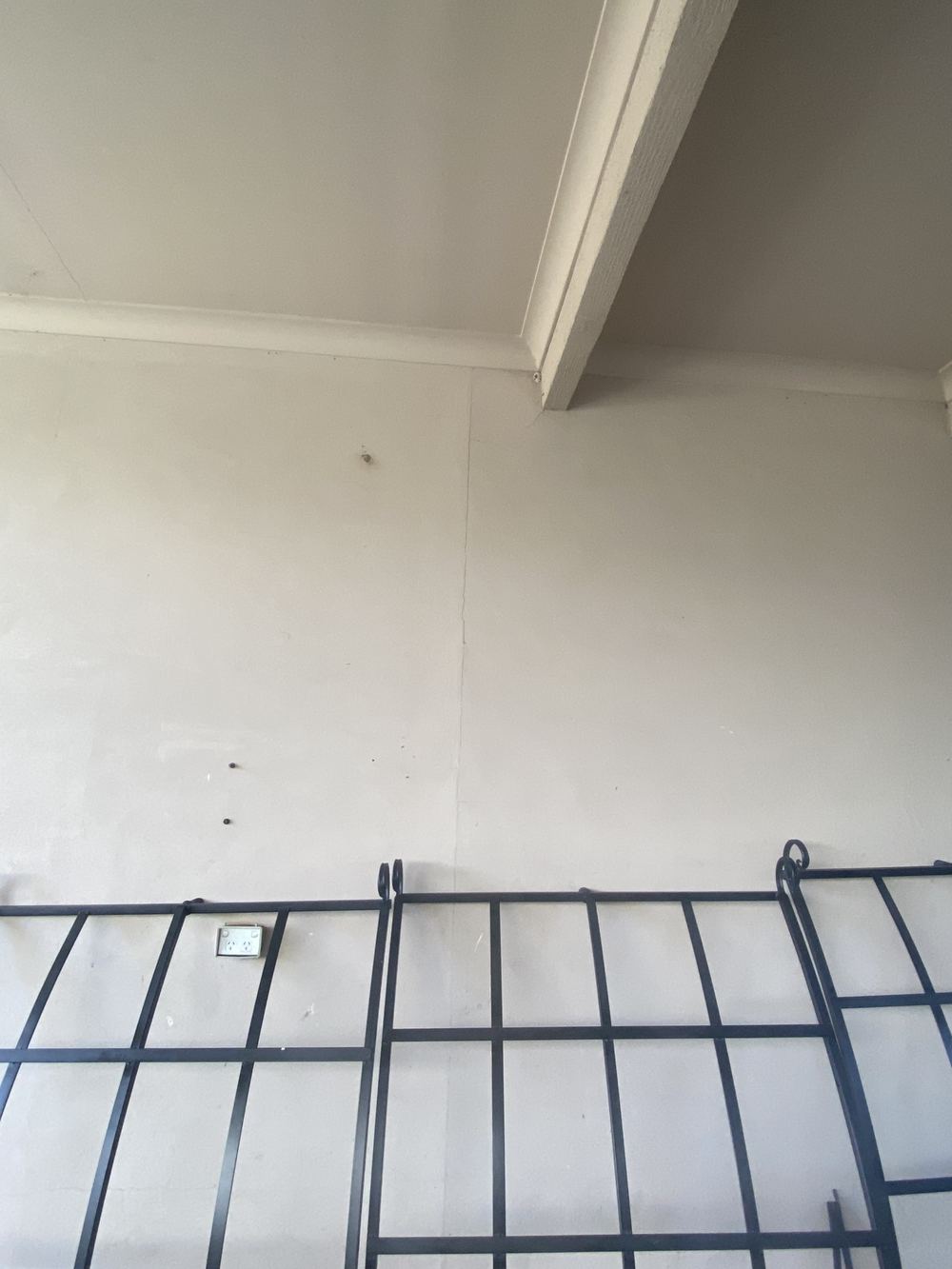 Dilapidation Reports A dated condition record of your home before the excavator arrives next door.
 NCAT Expert Witness Reports Evidence written to Procedural Direction 3 for a building claim at NCAT.
 Pre-Listing Inspections Know what the buyer's inspector will raise before your campaign starts.
 Insurance Claim Assessments Cause and extent of damage set down independently for your insurer.
Instant online pricing for Rouse Hill, or contact the booking team.
Within the lot we check walls, ceilings, floors, wet areas, windows and doors, along with any balcony, courtyard or garage belonging to it. Then we cover the common property we can safely see from the lot and the shared spaces: gutters and roof edges, facades, driveways, fences and stormwater. On the streets that fall towards Caddies Creek and Second Ponds Creek, shared retaining walls and drainage are part of that look. Each scheme defines its common property differently, so the strata plan is the reference.
A strata report, sometimes called a strata search, is compiled from the strata records and deals with finances, insurance, known building defects and planned works, legal matters and meeting minutes. It does not involve anyone looking at the building, which is what our inspection does. Together they tell a fuller story, for example when a leak we find lines up with minutes showing it has been raised before.
The owners corporation provides it, and it shows the lot's levies, any levies outstanding, the funding proposals in the 10-year capital works plan and where to view the records and financial statements. The strata committee, the strata managing agent and any building manager are named in it as well. It costs a fee, and a purchaser is not responsible for a levy owing before the certificate was given that the certificate fails to show.
The inspection is not an audit of the scheme. We do not enter other lots or locked plant and service rooms, and we exclude lifts, fire safety systems, roofs that cannot be reached safely, concealed framing and the testing of electrical, gas and plumbing services. Timber pests, asbestos and mould testing are outside it unless arranged separately, and areas we cannot reach on the day are recorded as not inspected.
Only those that meet the scheme's limits. It applies to residential or mixed use strata buildings of four or more storeys built under contracts entered into from 1 January 2018. Townhouse and low rise schemes of three storeys or fewer, where home building compensation cover was required, fall outside it, so check with your strata manager whether a bond was lodged.
First, the developer lodges a bond of 2% of the contract price before the occupation certificate issues. Within 12 months of completion the developer appoints a building inspector, approved by the owners corporation, who carries out an interim inspection 15 to 18 months after completion and a final inspection 21 to 24 months after. Where interim report defects remain at the final inspection, the bond can be used to pay for fixing them.
The bond inspector is appointed by the developer and reports on defective building work for the whole scheme. We inspect your own lot for you, and doing that before the interim inspection gives you a dated list to pass to the strata committee in good time. It is just as useful in a townhouse scheme that sits outside the bond scheme.
Buyers should book before exchange or within the cooling off period. Owners should book well before warranty time runs out: generally two years from completion for other defects (with up to six months more for some found late), six years for major defects, and claims need to be started in time. In a bonded building, booking ahead of the interim inspection means your items are raised early.
The Home Building Act 1989 provides statutory warranties that run six years from completion for major defects and two years for other defects, extended by six months if a breach is found in the last six months of the period. Defects in the common property are for the owners corporation to take up in the first instance. A lot owner can complain directly about a defect that affects only their lot, or when the owners corporation or strata manager does not respond.
Rouse Hill is split between The Hills Shire Council and Blacktown City Council, with the boundary running through the suburb, but the inspection is the same on either side. We also inspect strata lots in Kellyville Ridge, The Ponds, Beaumont Hills, Kellyville and Tallawong.
Pricing depends on the lot's type and size and how much of the common property you want covered, and we confirm it once we know the property. Within 24 hours of the inspection you receive the report with photographs, showing which items appear to be in the lot or common property, checked against the strata plan where supplied. You can then speak with the inspector about anything in it.